Urgent Call for Action as Climate Change Devastates Uluru-Kata Tjuta Ecosystem
November 1, 2026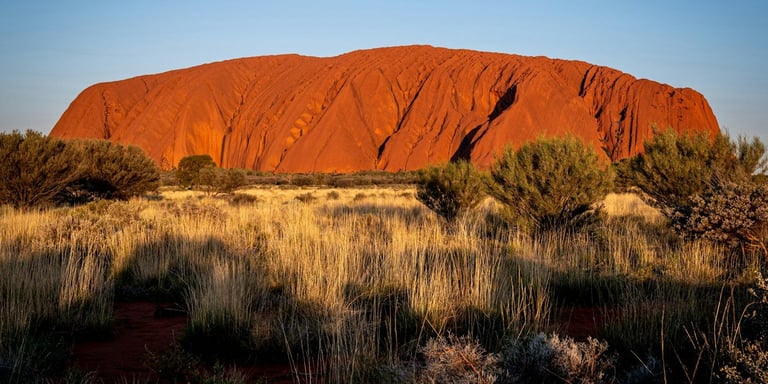

Anangu traditional owners and researchers are documenting severe climate impacts on plants and ecosystems at Uluru-Kata Tjuta, marking 41 years since handback to Anangu.
Plant dieback varied by species, with kurkarya (kurkary) 78% surviving while pukara (pukar̄a) survived only 10%; species that curtailed growth and conserved water fared better, while those that kept growing into summer were more vulnerable during severe droughts.
Anangu Muntitjulu Mala Rangers collaborated with Parks Australia, CSIRO, and universities, using on-Country surveys and 360-degree imaging to assess dieback and resilience across hundreds of square kilometers.
Mass dieback threatens ecosystem and culture by enabling invasion of buffel grass and disrupting animal species that depend on native plants, risking cultural and ecological health of the Country.
Findings inform joint Anangu-scientist management to address climate extremes, with urgent calls for collaborative action among governments and researchers.
Between 2018 and 2021 Uluru-Kata Tjuta faced a record drought and hotter, more frequent heat waves, elevating risks to desert flora.
Anangu leaders describe witnessing daunting changes and stress the urgency to halt air pollution for future generations, with ranger Natalie Ray and Michael Swan providing firsthand observations.
The report places Uluru-Kata Tjuta within the wider context of climate-change impacts on deserts, emphasizing local knowledge integration and the need for immediate, collective action.
Mass mortality followed heat events in 2019–2020 among species like kurkar̄a (desert oak), Wanari (mulga), pukar̄a (desert heath myrtle), and others, signaling severe stress.
Summary based on 1 source