New Genetic Map Reveals Hidden Mycobacterium Tuberculosis Gene Interactions, Paving Way for Novel Drug Targets
November 4, 2026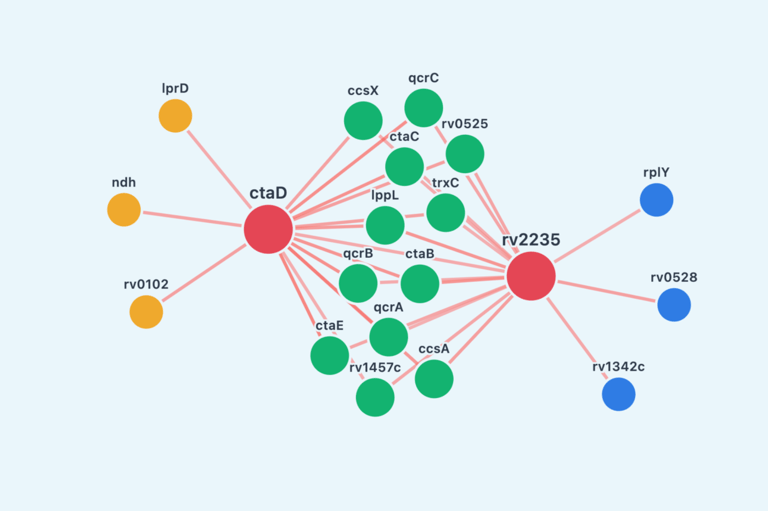

Researchers at Rockefeller University built a comprehensive genetic interaction map of essential genes in Mycobacterium tuberculosis, uncovering thousands of previously unknown gene relationships and potential drug targets.
They used CRISPR interference (CRISPRi) to downregulate essential genes and then paired two gene perturbations to study genetic interactions, enabling growth-based assessments without killing the bacteria.
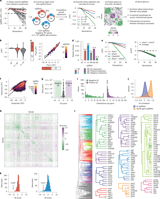
The study analyzed 762 essential genes in Mtb and mapped about 6,500 genetic interactions, shedding light on how essential genes function within pathways such as the electron transport chain.
GI data revealed potential drug–drug interactions, with the strongest negative interactions including aspC with ddl and with alr, aligning with known mechanisms and CGI profiling for d-cycloserine.
PptT showed negative interactions with KasA/HadC/HadB, indicating potential interactions relevant to FAS-II and lipid biosynthesis targets, supporting the use of GI maps to guide combination therapies.
GI profiling grouped genes into coherent functional modules (cell-wall synthesis, protein degradation, ETC, etc.), with negative interactions enriched within the same process and between related processes.
Some gene pair combinations exhibited antagonistic effects, underscoring the importance of systematic mapping for designing effective regimens.
In Mtb, the map identified ~6,500 interactions (2.2% hit rate) with replicates validating the patterns and confirming reproducibility across experiments.
In Msm, about 8,500 gene-pair interactions were identified (2.7% hit rate), showing hub-like connectivity and strong negative GIs such as dnaJ1-dnaJ2 and cwlM-murA that align with known biology.
GI mapping defines deviations from expected phenotypes when perturbing two genes; negative GIs suggest synthetic lethality or enhanced impairment, while positive GIs indicate buffering.
The maps enabled identification of four synergistic and one antagonistic drug combinations, illustrating how GI data can guide antimicrobial design and interpretation.
Beyond identifying a few combos, the study demonstrates how GI maps can narrow the field to the most promising antibiotic pairings and highlight interactions that enhance activity, such as one combination boosting ethambutol efficacy.
Summary based on 4 sources
Get a daily email with more Science stories
Sources
Nature • Nov 4, 2026
Comprehensive mapping of essential-gene interactions in M. tuberculosis
News-Medical • Nov 4, 2026
Comprehensive genetic map offers new hope for tuberculosis treatments
Newswise • Nov 4, 2026
New study of bacterial genome could lead to better TB drugs | Newswise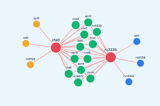
Mirage News • Nov 4, 2026
Bacterial Genome Study Could Lead to Better TB Drugs