Rise in Vitamin K Shot Refusals for Newborns Sparks Concerns Over Increased Bleeding Risks
November 5, 2026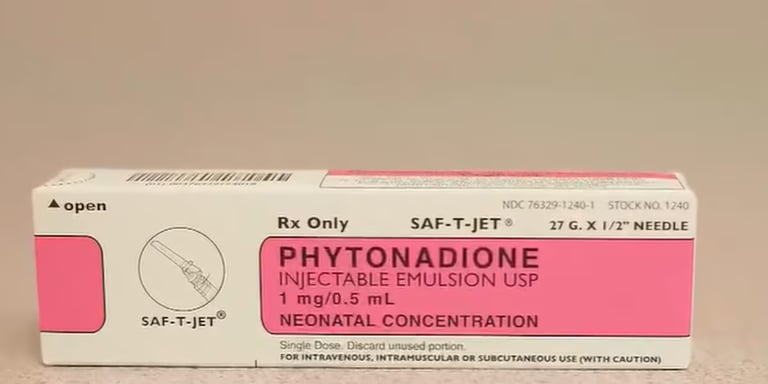


A new study of more than 5 million infants shows non-receipt of the birth vitamin K shot rose from about 3.1% in 2017 to 6.8% in 2025, with higher bleeding risk at six months for those who did not receive it.
Vitamin K is essential for the liver to produce clotting factors, reducing the risk of life-threatening vitamin K deficiency bleeding (VKDB) in newborns, which can include brain bleeds and other serious outcomes.
The vitamin K shot at birth has been standard since 1961, but refusals have risen, linked in part to mistrust fueled by the COVID-19 era.
Experts describe the shot as a simple, safe, and effective preventive measure, urging parents to discuss concerns with trusted healthcare providers before deciding against it.
Authors and pediatric experts reiterate that vitamin K is a preventive measure akin to wearing a seatbelt, and recommend consulting trusted clinicians for guidance.
The research was supported by NIH training and grant funding, and authors note the content does not necessarily reflect NIH views.
Co-author Heather H. Burris, MD, MPH, emphasizes the historical effectiveness of the routine injection and the need to address the decline in its administration.
The article provides guidance for parents and points to resources for News 10 Lansing, including related app downloads.
CHOP stands as a leading pediatric hospital with a broad network and centers focused on pediatric care and research.
Dr. Dysart and lead author Dr. Kristan Scott stress investigating factors behind the decline in vitamin K administration and improving communication to expectant families.
The findings are observational and do not prove causation, though researchers highlight the potential real-world consequences of rising mistrust in newborn interventions.
In response to prior ProPublica reporting, lawmakers have urged the CDC to track vitamin K compliance and related deaths and to make such information publicly accessible.
Summary based on 11 sources
Get a daily email with more US News stories
Sources

Yahoo News • Nov 5, 2026
US infant bleeding episodes jump as vitamin K refusals rise, two studies find

NBC News • Nov 6, 2026
U.S. infant bleeding episodes jump as vitamin K refusals rise, two studies find
HuffPost • Nov 5, 2026
U.S. Infant Bleeding Episodes Jump As Vitamin K Refusals Rise, Two Studies Find