15,000-Year-Old Fingerprints Reveal Children Made Art Alongside Adults
November 11, 2026

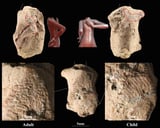
Fingerprints on clay figurines from Natufian sites in what is now Israel suggest adults and young children made art together as far back as 15,000 years ago.
Researchers recovered about 150 sculpture fragments from 40 kilograms of clay at three sites dating to between 15,000 and 11,600 years ago; 15 fragments could be identified as birds, gazelles and human figures, and about 60 preserved fingerprints.
The objects depict animals and human-like figures, with evidence that children worked alongside adults to make them.
Study co-author Laurent Davin said the evidence points to artistic creativity and cultural knowledge being shared across generations.
The finds offer rare evidence of children’s participation in prehistoric art and suggest making figurines helped them learn artistic skills and cultural knowledge.
The artifacts come from Natufian communities, sedentary hunter-gatherers among the earliest groups to establish lasting settlements, described as proto-villages.
Of the 15 recognizable figurines, 11 depict birds; the others represent a mammal, a gazelle and two people, while some birds have detailed features or poses that may reflect observed behavior and knowledge of nature or seasonal changes.
Several artifacts retain red coloring, including a thin layer of colored clay known as engobe; one figurine dated to 15,000 years ago offers the earliest known evidence of the technique.
The figurines’ purpose is uncertain: most are less than 2 centimeters long and show little evidence of intensive use, though researchers suggest they may have helped adults illustrate stories to children.
The discoveries challenge the view that clay figurines and symbolic uses of clay emerged only with Neolithic agriculture around 11,500 years ago, showing Natufians developed sophisticated artistic practices before agriculture and pottery.
The study was published in PLOS One.
Summary based on 5 sources
Get a daily email with more Science stories
Sources
Phys.org • Nov 11, 2026
Symbolic clay figurines change our understanding of the prehistoric Middle East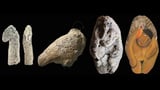
Popular Science • Nov 11, 2026
Children made some of the Middle East’s oldest known clay figures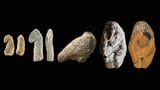
Science News • Nov 11, 2026
Stone Age children left fingerprints on ancient art projects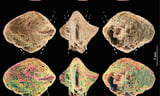
Talker • Nov 11, 2026
Stone Age kid sculptors? Fingerprints on ancient clay suggest so