Scientists Map the Basal Ganglia in Unprecedented Detail, Revealing New Brain Cell Types
November 13, 2026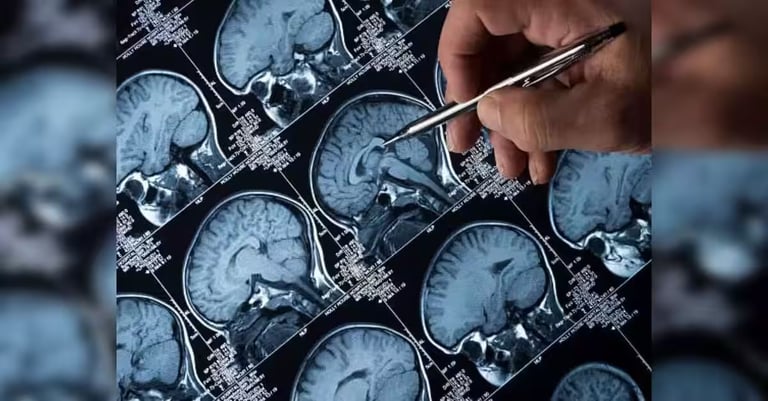

In a central study, researchers measured DNA methylation and three-dimensional chromatin structure in 197,003 cells from seven human donors, then combined the results with existing data to build an atlas of 261,331 cells.
A developmental atlas tracing cells from mid-pregnancy through infancy found that populations mature on different schedules: some are relatively mature by mid-pregnancy, while others remain immature and actively generating neurons into infancy.
Researchers also identified recurring communities of neighboring cell types, revealing how local arrangements contribute to brain architecture beyond what a simple cell inventory can show.
Among the findings, Allen Institute researchers identified a previously unknown brain-cell type with molecular links to schizophrenia and bipolar disorder, as well as cell-specific genetic changes that may relate to autism.
A consortium of neuroscientists has published 28 papers mapping the human basal ganglia in unprecedented detail, offering a major step toward a comprehensive cellular map of the brain.
These interconnected structures deep in the brain help govern movement, decision-making, emotion, motivation, reward learning and habits, and dysfunction is associated with conditions including Parkinson’s and Huntington’s diseases, Tourette syndrome, schizophrenia and addiction.
The studies create the first comprehensive, cross-species cellular roadmap of the basal ganglia, drawing on data from humans, macaques, marmosets and mice.
Together, the maps chart cell locations alongside the genetic and epigenetic systems that shape their behavior, giving researchers a detailed view of how the region is organized.
A UC Irvine-led team mapped about 8 million cells in the human basal ganglia, identifying 60 cell types and their locations and cellular neighborhoods.
A companion analysis linked cell-specific gene regulation across eight basal ganglia regions to genetic risk signals for disease, many of which lie in regulatory DNA rather than protein-coding genes.
The maps could help researchers identify vulnerable cell populations and investigate disease mechanisms or potential gene-therapy targets, but they are a foundation for research—not established treatments.
To make the data easier to use, the University of Maryland School of Medicine’s NeMO Archive provides open access to curated molecular datasets from more than 50 million brain cells, allowing researchers to compare studies and technologies.
Summary based on 8 sources
Get a daily email with more Science stories
Sources

ET HealthWorld • Nov 13, 2026
Cellular atlas created for the basal ganglia, a key brain region
News-Medical • Nov 13, 2026
Scientists unveil first comprehensive atlas of basal ganglia cell types
BIOENGINEER.ORG • Nov 13, 2026
Human Basal Ganglia Cell Atlas Maps Developmental Gene Regulation and
Longevity.Technology • Nov 12, 2026
Scientists chart the brain’s cellular architecture