Diabetes Breakthroughs Offer Hope—but Millions Still Lack Access to Diagnosis and Care
November 19, 2026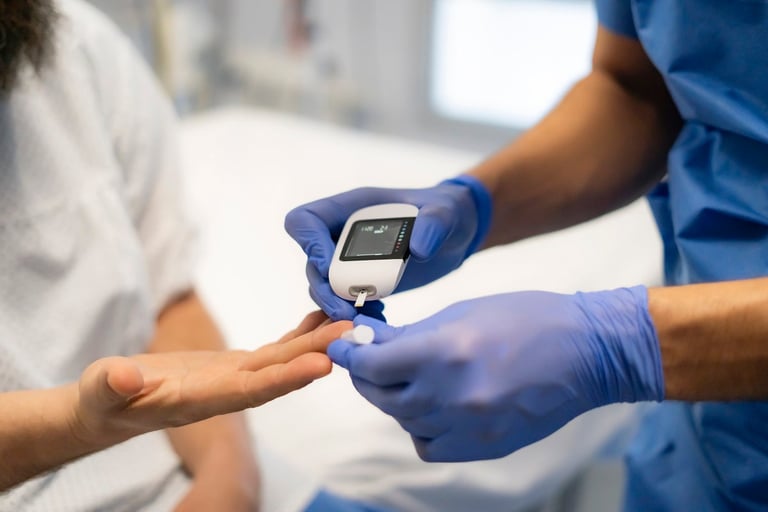

Diabetes treatments are advancing, but their promise will reach only a fraction of those who need them unless people can access diagnosis and care; more than 830 million people were estimated to have diabetes in 2026, and a 2023 model projected that figure could exceed 1.3 billion by 2050.
For Type 1 diabetes, blood tests can detect early immune signs before symptoms or rising blood sugar, creating an opportunity for earlier treatment; screening is available in the U.S. for people with an affected family member, while European experts have called for broader screening because most people diagnosed have no affected relative.
For people whose immune systems have begun attacking insulin-producing cells, teplizumab can delay Type 1 diabetes progression by up to three years, giving patients and families time to prepare.
Cell-transplant trials for Type 1 diabetes have helped most participants stop insulin or substantially reduce their doses, lowering the risk of dangerously low blood sugar; immune rejection and the risks of long-term immunosuppressant use remain major obstacles, and researchers are testing ways to protect transplanted cells or selectively prevent immune attacks.
GLP-1 medicines can do more than lower blood sugar: studies associate them with fewer deaths, hospitalizations and amputations among high-risk people with Type 2 diabetes, and suggest they may help prevent the disease in people with elevated blood sugar.
Lifestyle interventions have also shown promise for early-onset Type 2 diabetes: an October 2026 trial found that more than half of participants were in remission six months after starting a low-calorie diet and supervised exercise, while a 2025 study reported sustained remission for up to three years among more than half of participants using an AI-guided lifestyle app.
Yet access remains a major barrier: more than 250 million people worldwide with Type 2 diabetes may not know they have it, only about half can access needed insulin, and GLP-1 medicines and Type 1 screening remain scarce or unaffordable in many lower-income settings.
The gaps are reflected in a T1International survey of more than 1,000 people, in which over a third said they had rationed diabetes supplies in the previous year because of cost; screening and early Type 1 treatment are also rarely available in low- and middle-income countries, and the COVID-19 pandemic made care harder to access.
Making insulin easier to manufacture and distribute, alongside a stronger focus on affordable care, could help extend the benefits of both new and existing treatments; the article invokes insulin co-discoverer Frederick Banting’s vision that insulin should be for the world.
Summary based on 2 sources
Get a daily email with more Science stories
Sources
Medical Xpress • Nov 19, 2026
Type 1 and type 2 diabetes therapies show great promise—but treatment is only effective if people can access it
The Independent • Nov 19, 2026
I’ve lived with diabetes for 30 years. Here are the new treatments that give me hope