Two-Thirds of the Ocean Is Vital to Migrating Wildlife—and 96% Faces Threats
November 23, 2026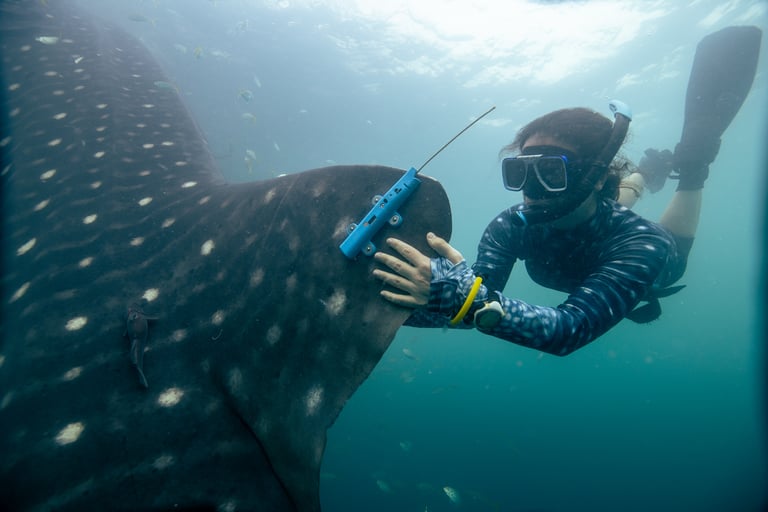

A 2025 MegaMove study published in Science analysed three decades of tracking data from more than 12,000 animals, finding that roughly two-thirds of the ocean serves as migration corridors or feeding, resting and breeding grounds—and that more than 96 per cent of those areas overlap with threats.
The findings come amid mounting extinction risks: about one-third of highly migratory marine species are threatened, including 37 per cent of sharks and rays, 31 per cent of seabirds, about 27 per cent of marine mammals and six of the seven sea turtle species.
Sequeira founded MegaMove in 2020 to map the routes and habitats ocean animals depend on; nearly 400 scientists from more than 50 countries have contributed data covering 111 migratory species.
The project spans species from blue whales to little penguins, whose movements can reveal ecosystem health because many are top predators or sentinel species that signal environmental problems.
In Shark Bay, field teams attach tracking devices to sharks, green turtles and dugongs, collecting movement data while aiming to minimize disturbance.
The tracking matters as marine life faces fishing, bycatch, ship strikes, plastic pollution, ocean warming and noise; in Shark Bay, a 2011 marine heatwave destroyed much of the seagrass and was followed by changes in animal behaviour and fewer sightings of turtles and dugongs.
MegaMove’s findings can guide marine protection and international policy, helping identify where to establish protected areas and where shipping slow-down zones or fishing-equipment changes could reduce harm.
The global 30 by 30 target calls for protecting 30 per cent of land, waters and seas by 2030, and the High Seas Treaty offers a route to create protected areas in international waters; Sequeira cautions that the target alone will not cover all key habitats used by migratory species.
Sequeira says healthier oceans help regulate temperature, sustain breathable air and provide food and other resources, and hopes people will find more sustainable ways to share ocean space.
Sequeira’s work will feature in “Future Seas,” the finale of Blue Planet III, airing in the UK on 6 December after a preview at COP31 in the UK Pavilion.
Summary based on 1 source
Get a daily email with more Science stories
Source
ANU College of Science • Nov 23, 2026
A biologist’s voyage to protect our future seas