China's Space Program Hit by Dual Launch Failures, Jeopardizing Future Missions
January 17, 2026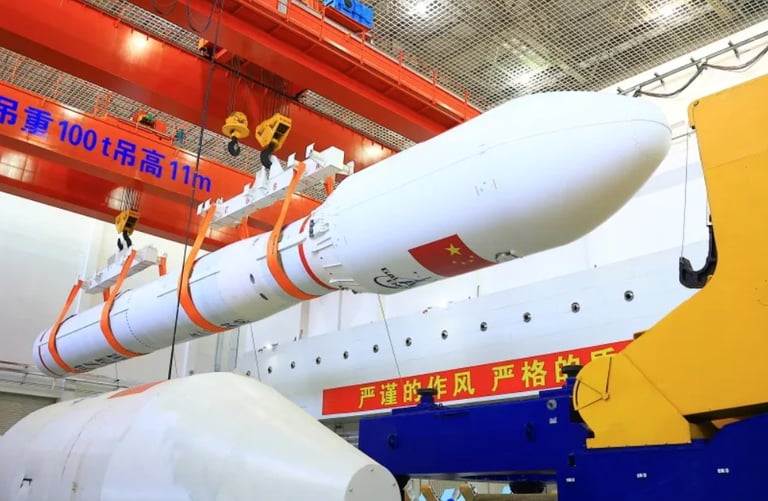

China faced significant setbacks in its space program as both Shijian-32 and the Ceres-2 missions failed, disrupting planned missions and potentially affecting future launches for related programs and customers.
Ceres-2, Galactic Energy’s larger solid-fuel launcher, failed on its debut from Jiuquan Space Center about half a day after the first failure, with an anomaly detected and roughly six satellites on board, including Lilac-3, presumed lost.
The incidents come amid a broader year of space activity with other nations also experiencing launch anomalies, highlighting renewed risk across global launch programs.
Shijian satellites are experimental tech-demonstrators, and CASC did not disclose the specific mission details for Shijian-32.
Context shows that China had a relatively low failure rate in 2025, but the two January 2026 failures occurred within 12 hours of each other, signaling a difficult period for Chinese launch developers.
Ceres-2 is Galactic Energy’s larger solid-fuel rocket, intended to deliver up to about 1,600 kilograms to 500 km LEO, and its debut failure delays broader launch ambitions, including the Pallas-1 liquid launcher and related IPO plans.
The Long March 3B launch from Xichang Space Center also failed due to a third-stage anomaly, resulting in the loss of Shijian-32 and marking the first complete Long March 3B failure since 2020 and potentially the first outright Long March family failure in roughly 300 launches.
A dual launch failure affected both the Long March 3B and the Ceres-2 missions on January 16, 2026.
Summary based on 1 source
Get a daily email with more Space News stories
Source
SpaceNews • Jan 17, 2026
China hit by dual launch failures as Long March 3B and Ceres-2 debut mission fail