Astronomers Warn: Sky Mirrors Could Outshine Moon, Threaten Wildlife and Astronomy
January 17, 2026

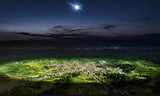
Astronomers warn that overhead reflections from proposed sky mirrors could brighten beyond the full moon, increasing stray light and contaminating telescope images as satellite numbers grow and skyglow expands.
The concept envisions reflecting sunlight with sun-synchronous mirrors that catch daylight at the day-night boundary and tilt away after passes to limit exposure time and keep some areas lit at night.
The first demonstration sky mirror satellite, Earendil-1, has an FCC license request and is planned for an early-April 2026 launch, with observers in approved locations likely to see a bright moving object.
Space debris and busy orbital traffic raise collision and debris risks, and adding reflective satellites could worsen near-Earth space hazards with limited cleanup options.
Increased nocturnal light could affect human health and sleep, potentially suppressing melatonin and impacting mood and concentration, with concerns about unequal exposure across communities.
Reflect Orbital, a California startup, proposes deploying up to 4,000 sky mirrors in orbit to reflect sunlight onto targeted Earth sites after dusk, using mirrors as wide as 180 feet (55 meters).
Atmospheric scattering could brighten nearby skies and create moving light sources that interfere with astronomical surveys and long-exposure observations.
Supporters urge a careful comparison of potential energy and lighting benefits against long-term impacts on astronomy, wildlife, and human health, calling for clear limits, public review, and shared tracking if pursued.
Wildlife could be disrupted by repeated bright passes and altered night conditions, affecting nocturnal animals and migratory birds by diminishing darkness and altering circadian rhythms.
Summary based on 1 source
Get a daily email with more Space News stories
Source
Earth.com • Jan 17, 2026
Startup company wants to light up the night skies with reflected sunlight