Historic Solar Storm Threatens Satellite, Communications Disruptions; Stunning Auroras Possible Across U.S.
January 19, 2026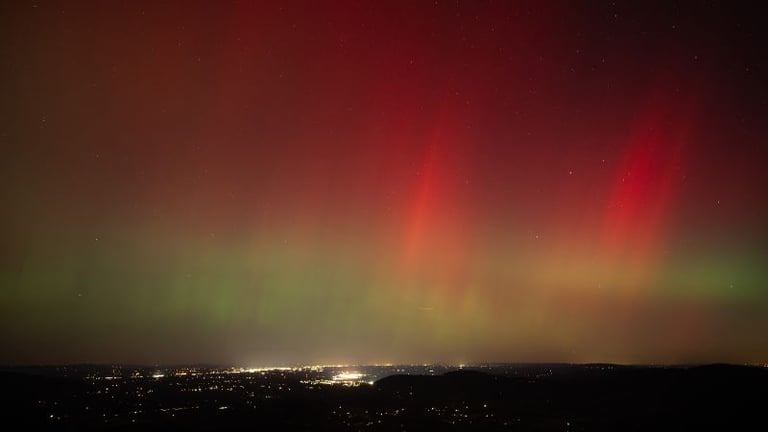

The NOAA Space Weather Prediction Center warns that this S4 storm could disrupt satellite operations and communications, with space weather levels peaking and likely to continue rising.
Ongoing solar flares from an active sunspot region suggest more Earth-directed eruptions could occur in the coming days, keeping systems on alert.
Space weather agencies have alerted airlines, NASA, the FAA, FEMA, and other operators to monitor critical infrastructure and prepare for potential disruptions.
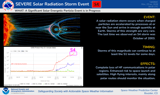
A severe solar radiation storm, rated S4, is in progress and represents the strongest such event in more than two decades, intensifying as measurements from GOES-19 indicate the storm is escalating.
This S4 event surpasses the intensity of the infamous October 2003 Halloween storms, marking a historic level of solar activity.
The coronal mass ejection that triggered the storm blasted off the Sun on Sunday following a powerful X-class flare—the most intense flare observed so far this year.
In addition, NOAA SWPC has engaged aviation and other stakeholders to support preparedness actions as conditions evolve.
Authorities say the storms could affect satellites and the power grid, but widespread public impacts are unlikely; the focus is on monitoring and mitigation by operators.
Current effects include weakened HF radio on the sunlit side and brief degradation of low-frequency navigation signals, signaling practical radio and navigation disruptions during the event.
Astronaut radiation exposure may rise, with crew moving to shielded areas aboard the ISS, while polar-flight passengers face higher radiation risks and satellites—especially GEO—and space launch systems are potentially affected.
The storm also threatens loss of over-the-horizon high-frequency communications in polar regions, compounding operational challenges for aviation and space activities.
auroral displays are forecast across a broad swath of the northern hemisphere, with the best viewing under dark, clear skies and even potential visibility as far south as Alabama and northern California.
Summary based on 2 sources
Get a daily email with more Science stories
Sources
NOAA / NWS Space Weather Prediction Center • Jan 19, 2026
S4 (Severe) Solar Radiation Storm in Progress, January 19th, 2026 | NOAA