NASA Embraces iPhones for Space Missions, Modernizing Tech for Moon and Orbit
February 5, 2026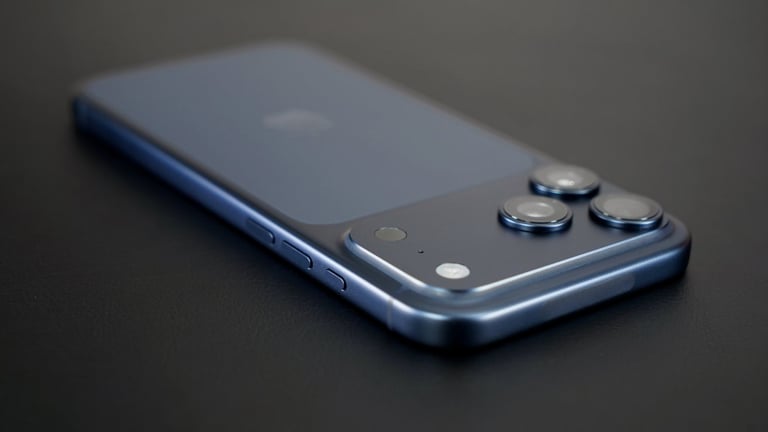


NASA Administrator announces that astronauts on Crew-12 and Artemis II will be allowed to carry iPhones and other modern smartphones into orbit and to the Moon, signaling a shift toward consumer tech in spaceflight.
The policy aims to speed up adoption of modern hardware by replacing older cameras like Nikon DSLRs and GoPros used on prior missions, while maintaining mission integrity.
The change is framed as part of a broader effort to streamline qualification requirements and reduce delays caused by extensive hardware testing.
Testing and validation of modern devices continue, with considerations such as radiation exposure shaping approval timelines.
External coverage highlights this move within a broader historical context of tech used on space missions.
The shift reflects a push to integrate familiar consumer tech into spaceflight to capture and communicate from space more readily.
This enables more spontaneous, digitally shareable content from space, potentially real-time updates for the public.
Isaacman argues that reducing bureaucratic hurdles will enhance operational urgency and enable higher-value science and research in orbit and on the Moon.
Past examples show smartphones have flown in space before, including iPhone 4s on the final Space Shuttle mission, though daily use was limited.
Apple devices have a history in space, with iPhones, Apple Watches, and iPads appearing on missions, signaling gradual integration of personal tech.
The decision was announced by NASA Administrator Isaacman via X in early February 2026, marking a wider trend toward testing and approving modern consumer tech for spaceflight.
While smartphones offer new capabilities, the move follows a broader reassessment of whether current qualification requirements are still necessary for modern hardware.
Summary based on 4 sources
Get a daily email with more Tech stories
Sources

TechCrunch • Feb 5, 2026
NASA astronauts can now bring their phones with them on their mission to the moon
Ars Technica • Feb 5, 2026
NASA will finally allow astronauts to bring their iPhones to space
AppleInsider • Feb 5, 2026
iPhone in space: NASA gives approval for personal iPhones to Artemis astronauts
Slashdot • Feb 5, 2026
NASA Will Finally Let Its Astronauts Bring iPhones To the Moon - Slashdot