Artemis II Ignites Global Space Enthusiasm, Boosting Public Interest and Future Exploration Ambitions
April 3, 2026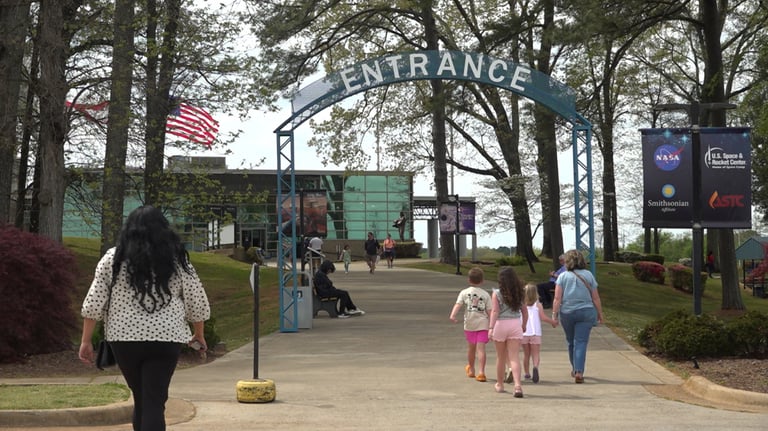

The Artemis II crewed lunar mission sparked a surge of public interest, drawing a crowded scene at the U.S. Space and Rocket Center in Huntsville the day after launch and earning global applause.
The mission's success and visibility are energizing interest in space exploration and aerospace engineering on a worldwide scale.
NASA and the broader space industry are pursuing multiple active initiatives that require diverse skills and interests to push forward advancements in space exploration.
NASA aerospace engineer Lt. Julia Cline notes strong engagement with students, highlighting educational inspiration from space work.
The center hosted more than 1,000 attendees at a watch party, reflecting heightened enthusiasm for space exploration not seen since the Apollo era.
Officials say funding and collaboration momentum could boost long-term public interest as the program aims for a higher operational cadence and broader participation.
Artemis involves NASA collaboration with Boeing, SpaceX, Blue Origin, and others, with a plan of multiple missions including Artemis III lunar landing targeted for 2028, supported by a roughly 400 million dollar budget increase for robotic and Artemis-related goals.
Visitors, including students and families, showed renewed curiosity about space and NASA's programs.
Widespread excitement around space serves as a catalyst for attracting the next generation of engineers and scientists to NASA and related sectors.
Artemis is framed as signaling a new era of space exploration, aiming to establish a moon base and progress toward Mars, with expectations of sustained public engagement beyond the launch.
Lt. Cline cites the Apollo program as an influence on her career and references Moon base concepts and a crewed lunar mission as topics that could renew public interest.
Summary based on 2 sources