Cassini's Epic Grand Finale: A Decade of Discovery and a Fiery Farewell to Saturn
April 4, 2026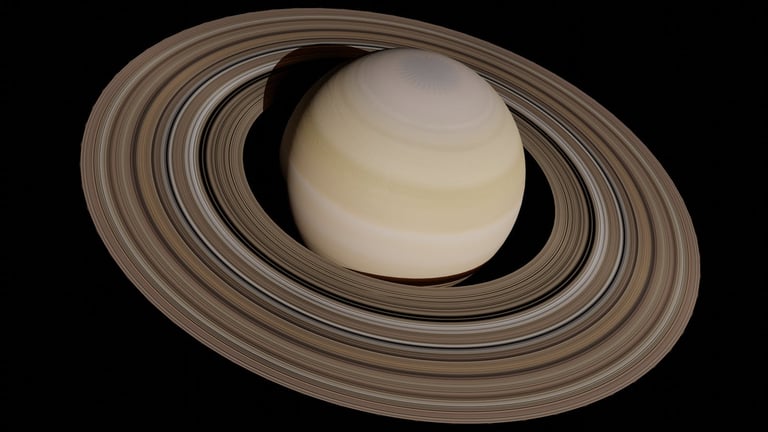

The mission team reframed Cassini’s disposal as a decade-long End-of-Mission campaign, the Grand Finale, turning a disposal maneuver into a scientific sprint that delivered close-up data on Saturn, its rings, and atmosphere.
After a sustained period of planning and debate, the Grand Finale culminated on a Saturn encounter in which Cassini was intentionally steered to enter the planet's atmosphere and was destroyed, marking the end of the mission.
Decision-making weighed remaining propellant, planetary protection, and the potential for future science, balancing cost, risk, and ethical stewardship.
Emotional and human factors shaped the process, with mission teams forming attachments to the spacecraft and processing the grief of ending a long-running collaboration.
Cassini left a vast scientific legacy, producing more than 450,000 images and nearly 4,000 peer-reviewed papers, reshaping our understanding of the Saturn system and influencing how future missions are designed and funded.
Budget and political realities mattered, as Cassini’s operations competed with funding for new missions, illustrating long lead times and the impact of annual budget cycles on planetary science.
The mission’s end cleared the path for future exploration, notably NASA’s Dragonfly mission to Titan, which builds on Cassini–Huygens data and planning.
Planetary protection requirements guided the disposal choice to prevent contamination of potentially habitable moons Enceladus and Titan.
Key scientific returns included unprecedented views of Saturn’s cloud tops, direct sampling of ring particles, refined gravity measurements of Saturn’s interior, and new insights into the rings’ age.
Summary based on 1 source