Artemis II Inspires North Carolina Students, Linking STEM Education to Future Space Exploration
April 7, 2026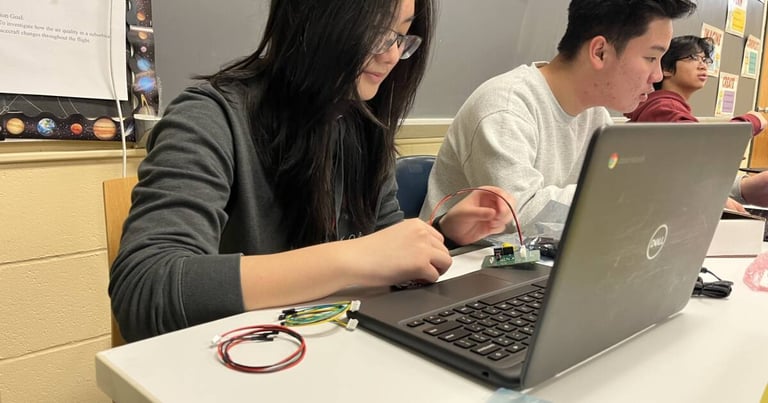

The Artemis II mission, NASA’s first crewed lunar-loop in over five decades, serves as a historic milestone that inspires students in eastern North Carolina and beyond to see how STEM can shape future space exploration.
Students express excitement and a sense of connection to space history, with many envisioning their own future involvement in space travel as a result of following Artemis II.
Educators describe the program as moving beyond textbooks, helping students think like engineers, collaborate in teams, and tackle authentic aerospace problems to build resilience.
Mentors stress that the launch event links classroom concepts to real-world achievements, turning curiosity into confidence and highlighting STEM careers as essential and accessible.
Cardillo and a group of students, after winning NASA’s Student TechRise, are preparing an orbit-project that shows how Artemis II motivates practical student projects and teamwork.
Local science teachers, including Chakara Cardillo, say the mission makes space exploration tangible and applicable for students, sparking practical science learning.
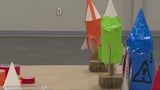
At the Eastern Carolina Aviation Heritage Foundation in Havelock, students engage in hands-on STEM activities, building and testing model rockets that mirror real aerospace challenges.
Dexter Southfield senior Mark Minchello, co-president of the Observatory Docent program, says the mission makes distant space feel attainable and fuels awe about astronauts and space science.
Cardillo reports that Artemis II advances students’ science thinking and problem-solving as they discuss sustaining long-duration journeys and related challenges.
Dexter Southfield student Tara Modi notes the mission provides hope and belief in pursuing space exploration and generating new knowledge for future generations.
The Artemis II crew reached a maximum distance of 252,756 miles from Earth, the farthest manned distance since Apollo 13, marking a significant milestone in spaceflight history.
Summary based on 2 sources