SpaceX to Launch 29 Starlink Satellites, Aiming for 31st Booster Recovery
May 1, 2026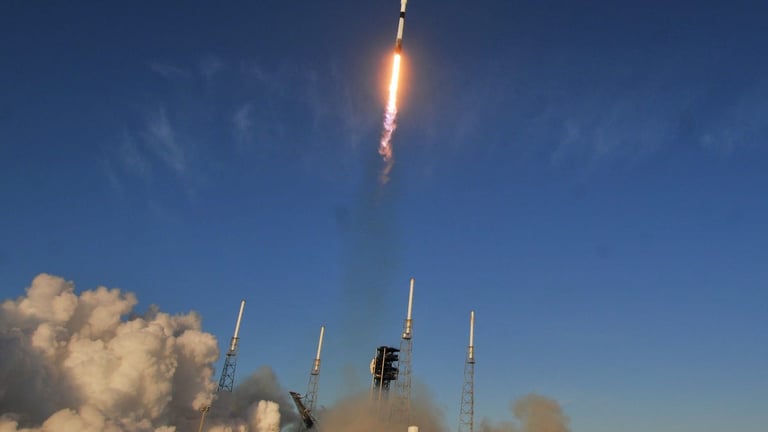

SpaceX is set to launch 29 Starlink satellites aboard a Falcon 9 rocket from Cape Canaveral Space Force Station on Friday, with the launch window currently planned for the afternoon.
The countdown and lift-off are tied to a specific window from 2:06 p.m. to 5:33 p.m. local time, as the company aims to deploy the 29 satellites into orbit.
The launch will depart from Space Launch Complex 40 at Cape Canaveral Space Force Station, continuing SpaceX’s Starlink deployment cadence.
April was a busy month on the Space Coast, ranking among the top for launches across providers, including NASA, Blue Origin, and ULA, highlighting a surge in activity.
This booster has a history of prior missions such as CRS-24, Eutelsat HOTBIRD 13F, OneWeb 1, SES-18, SES-19, and numerous Starlink deployments.
WESH 2 will stream the full launch through its video player, bringing live coverage to viewers.
After stage separation, the first-stage booster is expected to land on the droneship A Shortfall of Gravitas in the Atlantic Ocean.
This particular booster is a workhorse, making its 31st spaceflight on this mission, with SpaceX targeting a successful recovery on the droneship.
The booster’s return will aim for a precise landing on the A Shortfall of Gravitas in the Atlantic following stage separation.
Weather remains a factor, with cumulus cloud rules and thick cloud layers criteria guiding launch decisions and mission readiness.
Looking ahead, industry observers see growing activity from new players like Relativity Space, Stoke Space, and Astra Space, even as SpaceX pursues Starship and Super Heavy operations on the Space Coast by year’s end, potentially altering overall cadence.
Officials, including the Space Launch Delta 45 commander, emphasize sustained coordination and a shift toward reusable vehicles as the backbone of ongoing access to space.
Summary based on 3 sources
Get a daily email with more Space News stories
Sources
Spectrum News 13 • May 1, 2026
SpaceX set to launch 29 Starlink satellites aboard Falcon 9 rocket
Orlando Sentinel • May 1, 2026
SpaceX back at the pad Friday after helping set rocket record in April
WESH • May 1, 2026
SpaceX to launch Falcon 9 rocket from Cape Canaveral