SpaceX Near-Trillion-Dollar IPO: Starlink Drives Revenue Amid Starship and AI Ambitions
May 9, 2026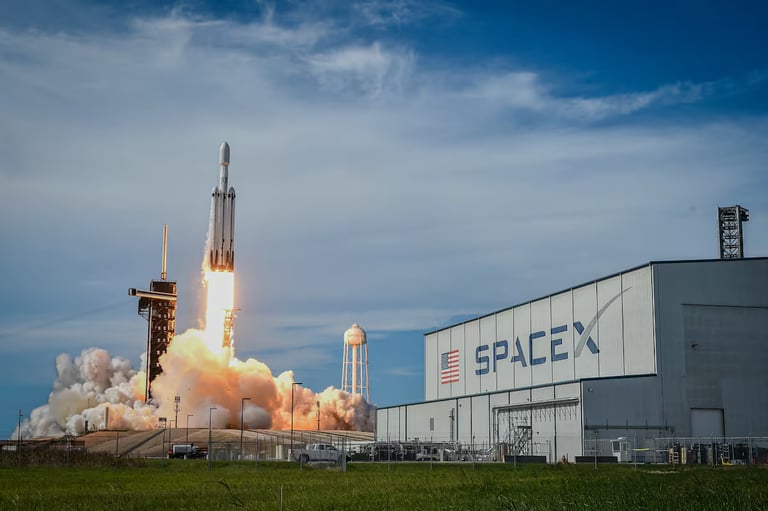

SpaceX’s IPO narrative blends proven revenue streams from launches and Starlink with high-growth bets like Starship, Starshield, and AI initiatives to justify a near-trillion-dollar valuation and broad investor interest.
Starlink stands out as a major revenue driver, with approximately $12.8 billion in 2025 revenue and about 8.4 million users, underpinning the high valuation and IPO enthusiasm.
Beyond launches, SpaceX’s value rests on multiple segments—Falcon 9/Heavy operations, Starlink, Starshield and defense-oriented satellite manufacturing, and Starship development—each contributing to financial potential and market appeal.
Observers disagree on the long-term outlook: some see a favorable path despite near-term volatility, while others warn that the company’s enormous size could blunt future gains and keep the stock volatile until cash flow proves stable.
Bear-case concerns focus on xAI and Cursor bets, seen by some as low-value bets with uncertain horizons that could weigh on valuation.
Market dynamics suggest investor sentiment could swing with rocket-program milestones, with AI-focused or diversified narratives potentially rewarded despite execution risks.
Valuation questions linger given an IPO size well above current trailing revenue, with expectations of a multi-year horizon for retail investors and possible volatility from a small float.
Musk’s public activity and cross-ventures, including Twitter/xAI, add volatility and price pressure that investors should weigh against upside potential.
Index effects could matter, as SpaceX may be added to Nasdaq-tracking funds within about two weeks, potentially driving demand through index buying.
XAI-related moves tie SpaceX to AI ambitions via Gronk AI and the X platform, with orbital data-center framing used to justify the IPO and AI-market potential, though true value remains market-dependent.
Retail and institutional sentiment split: some view SpaceX as a growth monopoly in communications, while others warn about overvaluation and founder-driven risks tied to Musk’s profile.
Starship development represents high risk and high potential, with roughly $15 billion invested since 2019 to build a fully reusable orbital rocket that could enable NASA lunar goals and Mars ambitions, yet remain volatile.
Summary based on 2 sources
Get a daily email with more Space News stories
Sources
Cheddar • May 8, 2026
Big Business This Week: SpaceX’s $2 trillion IPO: Should we be bullish or bearish?
Space Explored • May 9, 2026
Why SpaceX thinks it’s worth nearly $2 trillion