ISS Faces Renewed Pressure Drop, Sparking Concerns Over Long-Term Viability and Safety Risks
May 22, 2026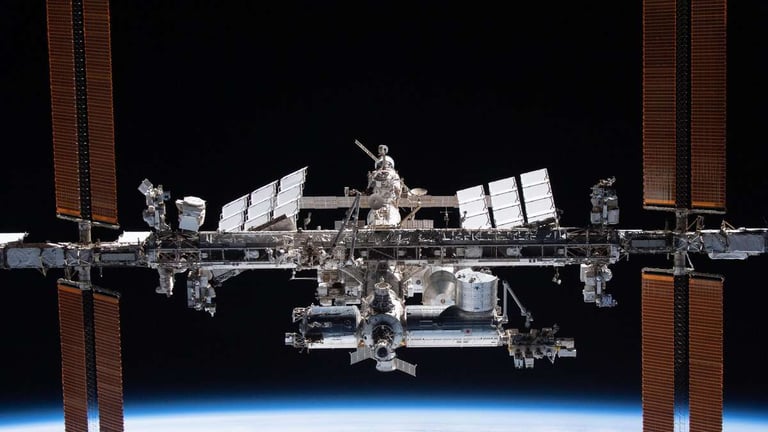


Daily loss of roughly one pound continues as the PrK module is maintained at reduced pressure with re-pressurization as needed, raising discussions of a potential catastrophic risk within NASA.
Officials told Ars Technica that microscopic structural cracks underlie the leak, causing a gradual weight loss and necessitating periodic refilling while operations proceed as normal.
There are no current crew or flight-day impacts, and NASA and Roscosmos are coordinating next steps to contain and address the leak.
The International Space Station is once again experiencing a pressure drop in the PrK docking module on the Russian segment, signaling a renewal of a long-standing air leak and reopening concerns about the station’s integrity.
Leakage has recurred after May 1, 2026, with ongoing repair efforts in the PrK docking module as part of the Russian segment’s response.
NASA confirmed the leak on May 1 after Roscosmos reported a gradual pressure decline of about one pound per day, with pressure kept at a lower level as a precaution.
The ongoing leak extends the window to address safety concerns and reassess long-term operations, but it also raises the risk of safety incidents and higher mission costs if a larger fault emerges.
A renewed atmospheric leak is reported in the PrK transfer tunnel, reversing a period of perceived stability and prompting renewed repair work by Russian cosmonauts.
Even with minimal immediate operational impact, NASA officials warn of the potential for a catastrophic failure and are discussing safety risks in internal meetings.
The situation blends a persistent technical leakage with strategic questions about the ISS’s future operations and long-term viability.
Past assessments of a stable state are challenged by the renewed leak, renewing scrutiny of the ISS’s long-term viability and the need for continuous monitoring and possible repairs.
Originally, NASA aimed to transition to private space stations, but delays have shifted emphasis to extending ISS life, contingent on safety and funding.
Summary based on 3 sources