NASA Announces Artemis III Crew and Mission Details for 2026 Moon Landing Preparation
May 27, 2026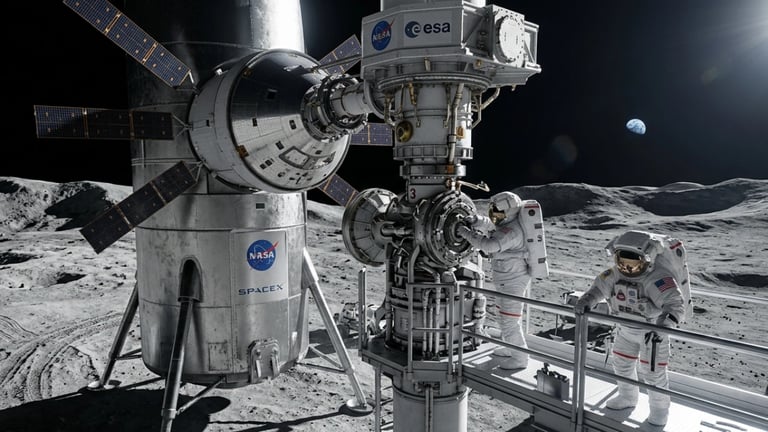

The current mission intends to extend life-support testing over longer durations and verify lander behavior in advance of Artemis IV, which will involve a real Moon landing.
Viewers can tune in via the NASA+ app or YouTube, with more watching options listed on NASA’s Ways to Watch page.
The Artemis program continues toward a sustained lunar presence, building on Artemis II’s April crewed flyby to advance future surface missions, science, and economic benefits as a stepping stone to Mars.
NASA will reveal the Artemis III four-person crew on June 9 at the Johnson Space Center, with a progress update on the mission and live coverage available.
The Artemis III crew announcement is scheduled for June 9, 2026, at JSC, accompanied by a live update on the mission profile.
Artemis III will not use the final remaining ICPS; propulsion for orbital insertions will come from the Orion European Service Module with a non-propulsive spacer, reserving the ICPS for Artemis IV.
Post-event Artemis III interviews will be available in limited formats, with interview requests due by early June for U.S. journalists and late May for international journalists.
Artemis III focuses on rendezvous and docking with lunar landers in orbit to pave the way for future surface missions, rather than a direct lunar landing.
Registered media will receive confirmation and details by email; international media should contact NASA’s press office by late May and U.S. media by early June.
The event will be streamed on NASA+ and NASA’s YouTube channel, with additional guidance on how to watch NASA content across platforms.
Artemis II, launched in April, completed a lunar flyby to validate launch, orbital, and reentry systems and to lay the groundwork for Artemis III.
NASA has announced over $1 billion in contracts to support lunar infrastructure, including rovers and landers for a base near the Moon’s south pole.
Summary based on 5 sources
Get a daily email with more Science stories
Sources


Space • May 27, 2026
NASA will reveal the Artemis 3 astronauts on June 9
Asbury Park Press • May 27, 2026
NASA to name Artemis III crew; here’s what mission will actually do
Techgenyz • May 27, 2026
NASA to Reveal Artemis III Crew and Mission Update on June 9