SpaceX's Trillion-Dollar AI Satellite Mega-Constellation Faces Intense Financial Scrutiny
May 31, 2026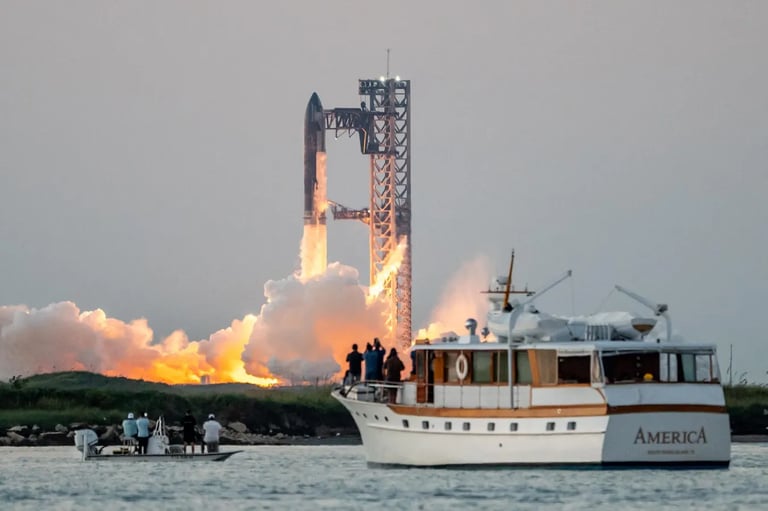


Experts like Robert Zubrin warn the mega-constellation would be vastly more expensive than terrestrial data centers, potentially costing SpaceX trillions and threatening the economics of orbital AI infrastructure.
Compared with terrestrial options, space-based solar power and other orbital energy solutions are far more expensive per kilowatt, undermining the overall economic case for orbital AI data centers.
The plan to launch a million AI data-center satellites in low Earth orbit faces fierce skepticism: pursuing such a mega-constellation now, given high launch costs, could drain SpaceX’s finances and be a strategic misstep, even as some view AI-driven orbital infrastructure as a long-term frontier.
SpaceX founder Elon Musk is proposed to initiate a million-satellite AI data-center swarm by the late 2020s, but space scholars warn this could amount to a financial catastrophe for the company.
Current Starship development and launch cadence are uncertain and may not support hundreds of launches per year; reaching an annual cadence around 180 Starship launches could be needed to bring costs down to competitive levels.
The piece situates the discussion within a renewed tech gold rush around AI and space, with SpaceX’s potential IPO as a funding driver, while urging caution about the immediate feasibility and economic viability of a mega-constellation.
Zubrin notes SpaceX has launched about 10,000 Starlink satellites at roughly $2 million each, implying a $2 trillion price tag for a million satellites, a figure that could exceed even the company’s anticipated IPO valuation.
Google researchers, Planet Labs, and other voices say orbital AI infrastructure might only become competitive with terrestrial data centers by the mid-to-late 2030s, contingent on major launch and manufacturing cost reductions and high launch cadence.
Summary based on 1 source
Get a daily email with more Tech stories
Source

Forbes • May 31, 2026
SpaceX Vow To Loft 1 Million AI Satellites Could Spark Doomsday Dive