MIT Unveils Dual-Mode Thruster Revolutionizing CubeSat Missions with Single Green Propellant
June 6, 2026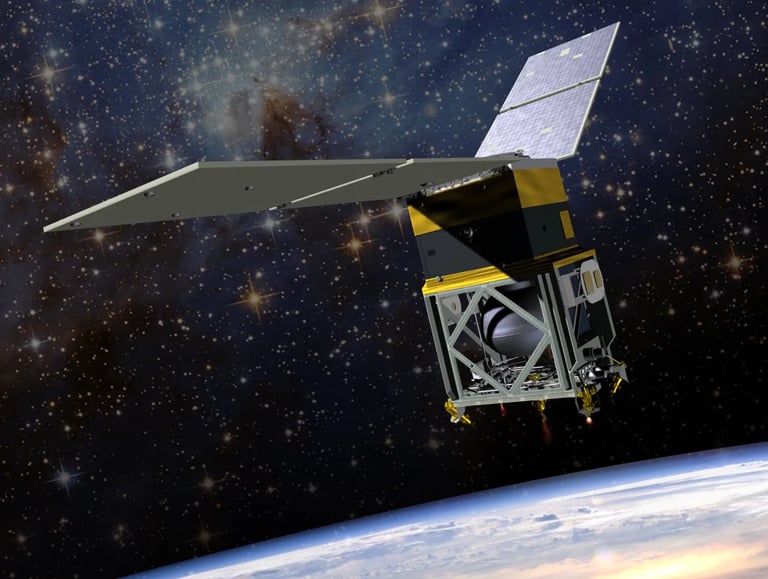


This development sits within broader propulsion research and points to future missions that are fast, small, and cost-effective for deep-space work.
The system uses ASCENT, an Advanced SpaceCraft Energetic Non-Toxic propellant developed by the U.S. Air Force, as a less toxic alternative to hydrazine, with higher performance.
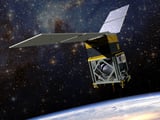
NASA plans to test the concept on the Green Propulsion Dual Mode mission, set to launch in November, using a cube-shaped reservoir and a single propellant tank for both thrusters.
The system lets CubeSats sail slowly with the electrospray thruster and switch to chemical thrust for rapid maneuvers, trajectory corrections, or hazard avoidance near destinations.
MIT professor and co-author Paulo Lozano says this enables flexible concepts for missions to Mars or the asteroid belt using a shared propellant supply.
If successful, the technology could accelerate and broaden small-satellite missions, enabling swarms of hybrid-thruster satellites to explore solar system bodies more efficiently.
ASCENT (AF-M315E) is an energetic, non-toxic ionic liquid-based fuel offering about 50% higher specific impulse than hydrazine and easier handling.
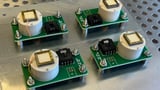
Four of MIT’s hybrid thrusters will be tested on the GPDM mission, launching a 6U CubeSat with both propulsion modes and one ASCENT fuel tank.
MIT researchers have developed a two-in-one propulsion system that can power both chemical and electrospray thrusters for small satellites using a single propellant.
The project envisions missions where constellations can switch between rapid deployment and slow, precise observation depending on conditions, enabled by the shared propellant approach.
The concept combines an electrospray thruster with a chemical rocket using a green propellant to deliver efficiency and higher thrust when needed.
The system aims to fit briefcase-size cubesats with both propulsion types in one tank, cutting mass and cost for deep-space missions.
Summary based on 2 sources