Chinese Space Startups Eye IPOs Amid SpaceX's $75 Billion Valuation, Facing Challenges and Opportunities
June 13, 2026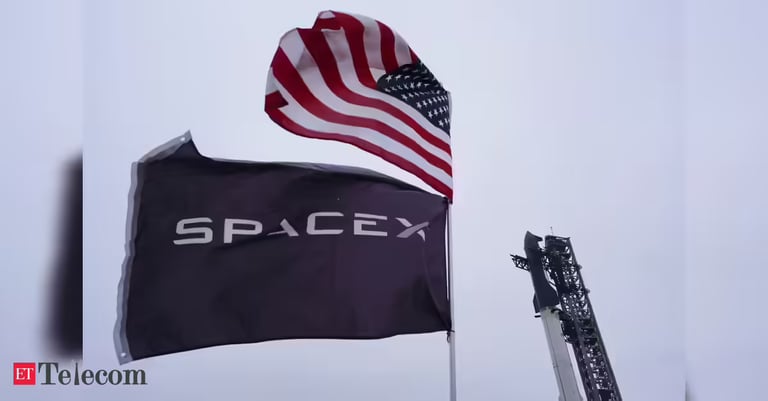

SpaceX’s record $75 billion IPO is shaping expectations for Chinese space startups, who are pursuing IPOs and pre-IPO plans to fund technologies like reusable rockets and large satellite constellations.
Analysts warn that Chinese firms may face valuation constraints due to lack of proven profitability and mature technology, creating a mismatch with SpaceX’s economics.
China’s private space firms have yet to field a mission-ready reusable rocket; LandSpace’s Zhuque-3 test highlighted booster landing challenges and the cost-pressure of recovery and reflight.
Some analysts see domestic demand in China tying space technology to sovereign and enterprise applications—mobility, maritime, remote sites, emergency response, and Belt and Road efforts—rather than pursuing a mass-market broadband model like Starlink.
Access for international investors varies: Hong Kong listings offer easier southbound Stock Connect access, while Shanghai STAR listings are harder for non-Chinese investors, though dedicated mandates exist.
A favorable policy environment backs listings: commercial space is a designated strategic emerging industry, with the PBOC backing green-loan facilities and the NDRC clearing launch corridors in Hainan and Inner Mongolia.
In the near term, a pipeline of mid-cap listings in Shanghai and Hong Kong is expected within a year, including a major primary issue and several smaller floats that could amount to a multi‑billion‑dollar institutional flow.
ADA Space positions itself around AI-powered satellite networks and AI computing satellites, citing SpaceX’s scale and aiming to reduce reliance on ground stations.
Pricing and valuation dynamics are central, with pre-revenue Chinese listings often discounted to Nasdaq, but reforms and stronger underwriting aim to compress gaps and drive premium valuations; STAR and HKEX windows will shape outcomes.
HK filings by Adaspace Technology and Fortunetone Technology target small-satellite manufacturing, leveraging HKEX reforms to lower profitability thresholds and position HKEX as a leading venue for Chinese tech listings.
China National Space Administration’s plan to open national science projects to private enterprises signals a shift toward private participation in space and state support for private ventures.
China’s Starlink-style programs Guowang and Qianfan (Spacesail) remain small in scale, with only a few hundred satellites versus SpaceX’s thousands, underscoring a substantial gap.
Summary based on 6 sources
Get a daily email with more Space News stories
Sources


Reuters • Jun 13, 2026
SpaceX playbook set to fuel China's IPO ambitions but tech gap persists
South China Morning Post • Jun 11, 2026
China’s space start-ups eye IPO boom as SpaceX heads for record listing
1330 & 101.5 WHBL • Jun 12, 2026
Analysis-SpaceX playbook set to fuel China’s IPO ambitions but tech gap persists