Space Force Expands Launch Pool with Impulse Space and Relativity Federal for National Security Missions
July 8, 2026

The U.S. Space Force’s Space Systems Command has added Impulse Space and Relativity Federal to its National Security Space Launch Phase 3 Lane 1 pool, expanding the pool of qualified launch providers to seven and broadening competitive options for national security launches.
Alongside the new entrants, SpaceX, United Launch Alliance, Blue Origin, Rocket Lab, and Stoke Space remain in Lane 1, forming a more diverse field for future national-security missions.
Lane 1 targets easier-to-reach orbits, lighter payloads, and non-must-go missions, including data transport and missile-tracking satellites for Space Development Agency and Space Force tests.
A mission-assurance approach in the Lane 1 process emphasizes tailored assessments of each company’s capabilities and mission risks.
Lane 3 serves as the higher-tier tiered option, contrasted with Lane 2, which is reserved for the most demanding missions requiring fully certified launch systems.
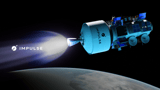
Neither Impulse nor Relativity has launched a satellite yet; Relativity plans a Terran R flight later this year, while Impulse is developing Helios to boost heavy payloads to higher orbits, potentially first flying on a Falcon 9 in late 2026.
Admission to Lane 1 does not guarantee launches; it creates a pre-qualified pool from which the Space Force can solicit bids for individual missions, subject to flight readiness.
The SSC emphasizes diversifying and strengthening the industrial base for assured space access, though detailed assessments and milestones were not disclosed.
Lane 1 is designed to inject commercial competition into lower-risk national-security launches and to allow newer providers to enter Pentagon programs after demonstrating basic flight capability.
Impulse described Helios as enabling a flexible, cost-effective path to high-energy orbits when paired with a standard medium-lift launcher, marking the first time an upper-stage provider is a Lane 1 prime.
Drivers for Lane 1 expansion include leveraging new capabilities, reducing dependence on SpaceX, and hedging as SpaceX pivots toward Starship and AI data-center deployments.
Lane 1 envisions integrated transportation services, where one company provides the launcher and another handles final orbital delivery, enabling mixed-provider mission architectures.
Summary based on 4 sources
Get a daily email with more Space News stories
Sources
SpaceNews • Jul 8, 2026
Space Force adds Relativity, Impulse Space to national security launch program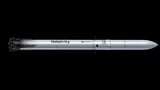
Breaking Defense • Jul 8, 2026
Space Force adds two startups to small, medium launch pool
Air & Space Forces Magazine • Jul 8, 2026
Space Force Picks Two More Startups to Compete for Launch Missions
Defense Daily • Jul 8, 2026
Space Force NSSL Phase 3, Lane 1 Field Now at Seven With Two New Companies’ Entrance