Rocket Lab Launches First Batch of Globalstar Satellites, Boosting Direct-to-Device and IoT Communications
August 16, 2026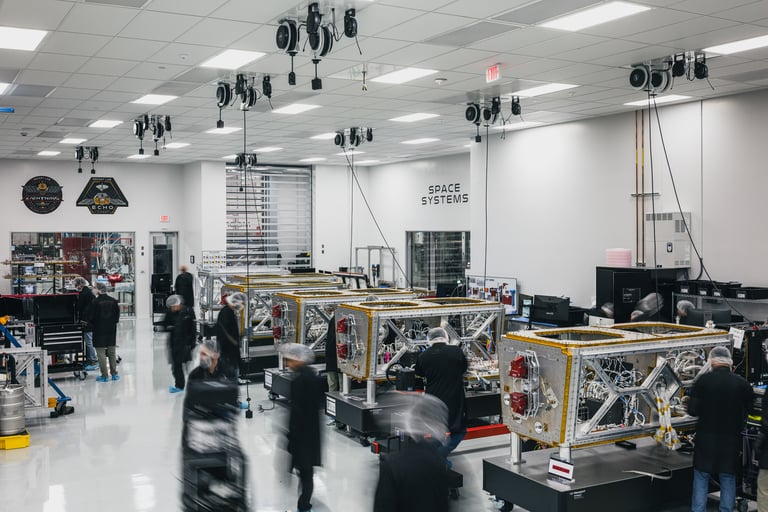

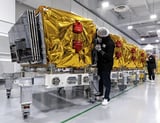
Rocket Lab has successfully launched eight advanced satellites built for MDA Space to replenish Globalstar’s existing LEO constellation for direct-to-device communications and IoT services from orbit.
The eight satellites were deployed on August 15, 2026, aboard a SpaceX Falcon 9 from Cape Canaveral, marking the first batch of Globalstar’s replenishment.
Developed, integrated, and tested in Montreal, the satellites are now entering in-orbit tests as part of the commissioning phase.
The Lightning platform is being produced for other missions as well, including a U.S. Space Force space domain awareness program and the Space Development Agency’s Tranche 2/3 constellations, highlighting broader use cases beyond Globalstar.
Commissioning has begun to enable Globalstar’s mobile satellite services for customers worldwide, signaling progress toward full operational readiness.
The news release includes forward-looking statements about commissioning timelines, constellation completion, and satellite integration, with risks and uncertainties noted in MDA Space’s 2026 disclosures.
CEO Mike Greenley says the program has transformed MDA Space’s production process, enabling accelerated development and the creation of a new high-volume manufacturing facility.
Rocket Lab’s founder emphasizes end-to-end mission lifecycle capability, scalable manufacturing, and vertical integration, framing Rocket Lab as a preferred partner for constellation-scale deployments.
The satellites are a tailored variant of Rocket Lab’s Lightning platform, built with in-house components and tested at Rocket Lab’s Long Beach headquarters.
This launch marks MDA Space’s first delivery as prime contractor for a commercial communications constellation, signaling a shift toward higher-volume production.
Nine remaining Globalstar satellites are nearing final integration and will be added to the constellation after commissioning and in-orbit integration.
The eight platforms represent the first batch of a 17-platform deployment under a $143 million contract, constituting a significant portion of the planned rollout.
Summary based on 2 sources