Satellite Launch Crunch Looms as SpaceX Prioritizes Starship, Industry Faces Delays Until 2028
August 17, 2026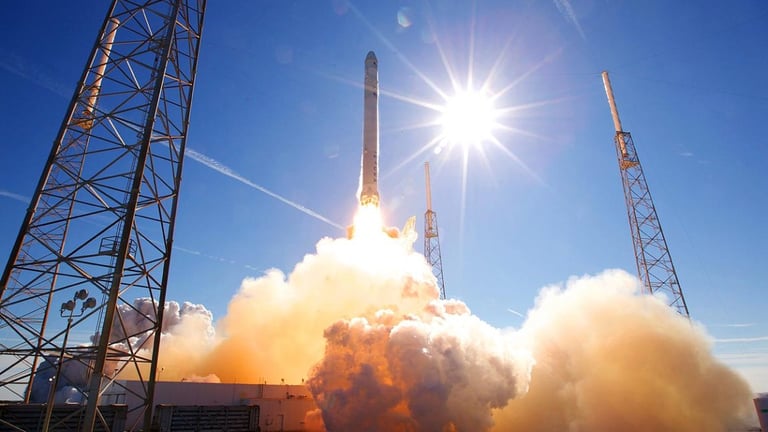


New-generation medium-lift options from players like Stoke Space Nova, Rocket Lab Neutron, Relativity Space Terran R, and Firefly Eclipse are in development, but industry executives say they won’t fully relieve the launch crunch before 2027–2028.
The Ukraine war has removed Russian rocket options for Western customers, increasing reliance on SpaceX and raising vulnerability if Falcon 9 cadence slows.
SpaceX is increasingly driven by Starlink revenue, with commercial launches making up a shrinking share of business, suggesting commercial launch activity may decline in the near term.
Policy avenues for the government are unclear to compel SpaceX to keep Falcon 9 flights, though experts hint at expanding launch infrastructure and international collaboration to improve access to space.
Absent a rapid, multi-vehicle ramp-up, the market is likely to drift toward balance only in the 2030s as incumbents scale and new vehicles prove their cadence.
Other major providers such as Vulcan, New Glenn, and Ariane 6 have faced delays or limited cadences, leaving the market dependent on a few remaining heavy-lift options and creating a bottleneck.
The Western launch market is described as being in a panic over the potential reduction in Falcon 9 launches as SpaceX prioritizes Starship, heightening concerns about meeting surging satellite launch demand.
Even with new entrants, the crunch could deepen over the next couple of years before a gradual recovery, with 2028 identified by industry voices as a turning point.
Summary based on 1 source
Get a daily email with more Tech stories
Source
Ars Technica • Aug 17, 2026
Satellite operators are in panic mode due to a worsening launch crisis