Earth Microbes Could Survive on the Moon, Study Finds; Implications for Lunar Missions Explored
August 19, 2026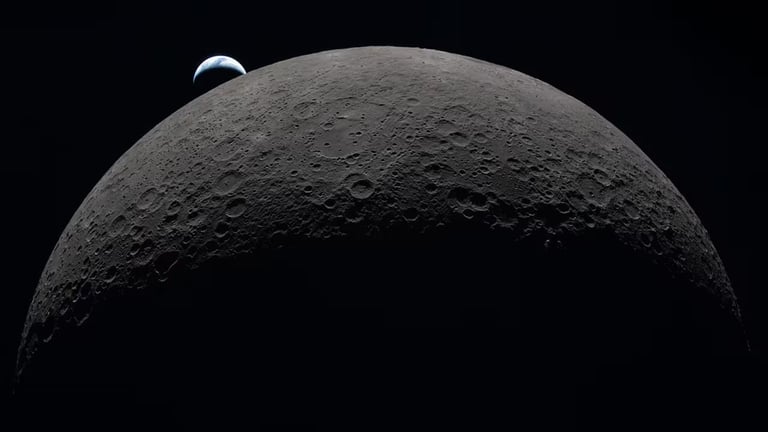


Key factors include UV exposure and extreme temperatures, with Aspergillus niger demonstrating notable resistance to UV while many other microbes would require protection.
NASA researchers warn that some Earth microbes could persist for short periods in sheltered, shadowed lunar regions near the South Pole, informing future contamination controls as human and robotic activity increases.
The study emphasizes cellular persistence rather than growth or reproduction, noting that any surviving organisms would likely enter cryptobiosis and not establish populations.
Sampling a single waste bag provides a layered mix of materials with varied histories, as the 96-jacket sampling figure combines multiple packaging types like fecal, emesis, urine gear, and larger sacks.
The program includes a Space News of the Week segment with Dr. Scott Pace, expanding the discussion to broader space policy and developments.
Authors stress the research does not assess mutations or pathogenicity, only cellular persistence and potential for non-reproductive survival.
Advertising segments promote an Estes model Falcon 9 at $149.99, with a 10% discount code through collectSPACE.com partnerships.
Lunar module waste management aimed to minimize mass and contamination, using jettison sacks to carry cabin refuse outside the spacecraft.
Even if microbes survive, they are expected to remain in a cryptobiotic state rather than grow, with any presence likely small-scale.
Simulated regions analyzed included Nobile Rim, Connecting Ridge, and de Gerlache Rim, where terrain creates shadows offering protection from sunlight and UV radiation.
Survival is defined as remaining alive for at least one Earth day under modeled conditions, not growth or colony establishment.
The study focuses on short-term survivability (24 hours) as a preliminary step in understanding contamination risk rather than long-term habitability.
Summary based on 21 sources
Get a daily email with more Tech stories
Sources
NASA Science • Aug 19, 2026
Human-Related Microbes May Survive Moon’s South Pole, NASA Finds - NASA Science
Space • Aug 20, 2026
Microbes from Earth may survive on the moon, scientists find
404 Media • Aug 19, 2026
Lifeforms Can Survive on ‘Significant’ Regions of the Moon, Study Finds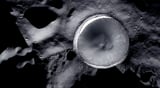
TechSpot • Aug 20, 2026
NASA study finds Earth fungi could survive up to 7 days near lunar south pole