Flock Safety Reforms Spark Debate Amid Push for ALPR Regulation in Pennsylvania
August 17, 2026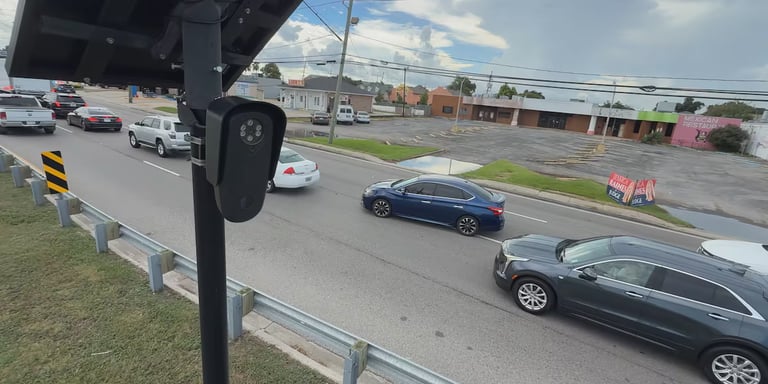

Flock Safety rolled out privacy and accountability reforms in mid-August to address privacy concerns about ALPRs, cutting default data retention from 30 days to seven and adding an Evidence Mode to preserve data for active investigations, while requiring use of an Audit Assistance tool to flag abnormal searches.
Meanwhile, Rep. Tarik Khan is crafting a Pennsylvania bill to regulate automated license plate reader systems, including Flock cameras.
The reporting highlights ongoing pushback against Flock’s nationwide network of license plate readers, underscoring fears about surveillance and civil liberties.
The piece frames vandalism as part of a broader debate on surveillance, privacy, and accountability, and questions whether public tips alone can reliably solve such crimes.
Context notes cover previous court and policy questions about ALPRs, including warrants, geofence warrants, and cost-effectiveness and prevalence of the technology.
The article argues that smarter regulation, not banning cameras, is the practical path to protecting civil liberties while preserving investigative utility.
Officials report crime reductions across several categories and credit the system with aiding investigations, though some cases remain unsolved.
Public records show alerts on vehicles and ongoing officer queries, with unclear disclosure about who tracked whom or why.
Public-facing resources map ALPR cameras and trackers, helping people see where cameras may be located, though not all data indicate active recording.
Audits and public records may be incomplete, and a search does not necessarily indicate wrongdoing or a vehicle being stopped, reflecting ongoing privacy versus safety tensions.
Authorities acknowledge the vandalism case and are seeking public help to identify the culprits.
Experts note that AI can identify patterns humans miss, but automated flags require context and human judgment to be meaningful.
Summary based on 45 sources
Get a daily email with more Startups stories
Sources

Gizmodo • Aug 14, 2026
New Technique for Ruining Flock Cameras Just Dropped
TNW | Privacy • Aug 14, 2026
Flock Safety cuts data retention to seven days after dozens of police abuse cases
Futurism • Aug 15, 2026
Sensing He’s in Deep Trouble, Flock Safety CEO Says It’s All Been a Big Misunderstanding