Ancient Nomads' Genetic Mutations Could Unlock Secrets to Modern Illnesses, Study Suggests
January 10, 2024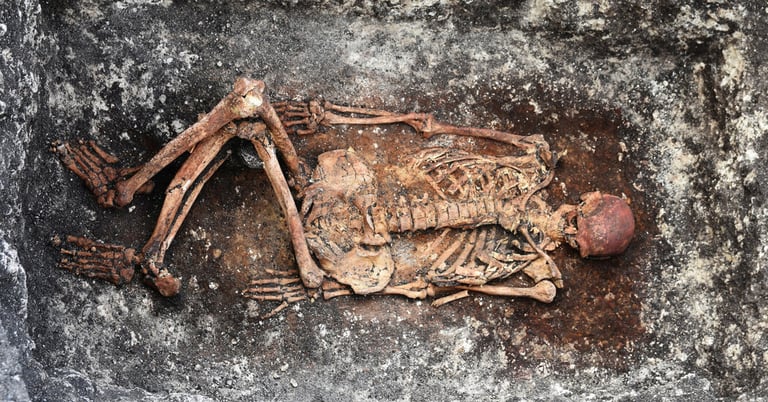


A new study in Nature explores the genetic mutations of a 5,000-year-old nomadic tribe to understand multiple sclerosis (MS) and other modern diseases.
Scientists compared DNA of ancient skeletons with living people to track significant migrations and identify genetic variants associated with MS risk.
The study focused on gene variants from Bronze Age cattle herders who migrated to northwestern Europe 5,000 years ago.
These gene variants, which likely protected them from livestock infections, are linked to a higher MS risk among northern Europeans.
The study suggests that differences in exposure to animal germs may trigger MS.
Further research is needed to definitively prove the link between these ancient gene variants and the development of diseases today.
Summary based on 0 sources