AI Pioneers Win Nobel Prize in Chemistry as Global Debates on Tech and Geopolitical Tensions Intensify
October 10, 2024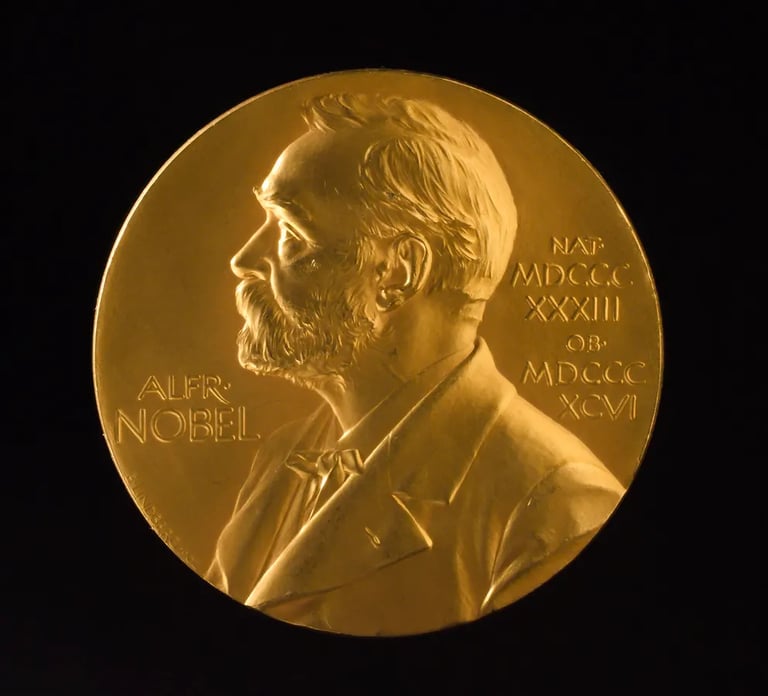


Experts emphasize the urgency of addressing AI-related risks, likening the need for action to the global response to climate change.
While there are fears that AI might surpass human intelligence, experts assert that it remains a tool created by humans and cannot independently generate groundbreaking theories.
Current geopolitical tensions, such as threats from Russia and North Korea's nuclear developments, are challenging established norms regarding nuclear weapons.
Survivors of nuclear bombings, known as hibakusha, have played a vital role in educating the public about the dangers of nuclear weapons through personal testimonies and advocacy.
South Korea is grappling with significant social issues, including economic inequality, a declining birth rate, and the challenges of transitioning from dictatorship to democracy.
Han Kang's literary work is noted for its social awareness, often exploring themes of violence and resilience, particularly in the context of Korea's historical struggles.
Ilya Sutskever, a co-founder of OpenAI, has expressed regret over his previous support for a controversial board decision that led to Sam Altman's ousting.
The Nobel Prize in Chemistry has been awarded to Demis Hassabis, John Jumper, and David Baker for their groundbreaking work in developing AI systems that predict protein structures, marking a significant advancement in biological research.
As the Nobel Prize season unfolds, upcoming awards for literature and peace are anticipated, with the Sveriges Riksbank Prize in Economic Sciences scheduled for October 14.
Concerns have been raised about the dual nature of technology, particularly AI, which can yield both beneficial and harmful outcomes due to its unpredictable nature.
The history of artificial intelligence dates back to the 1950s and 60s, although it has faced challenges during periods known as 'AI winters' when funding and interest waned.
The growing proficiency in AI technologies is creating a divide in the workforce, giving those skilled in AI a competitive advantage.
Summary based on 0 sources