Australia Proposes Ankle Bracelets, Curfews for Ex-Detainees Amid High Court Ruling Controversy
November 8, 2024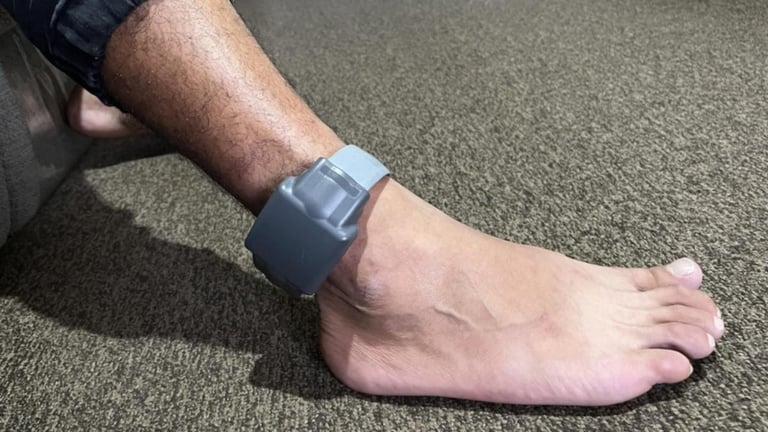

On November 7, 2024, Immigration Minister Tony Burke introduced new legislation aimed at reintroducing ankle bracelets and curfews for former immigration detainees, despite a recent High Court ruling that deemed such measures unlawful.
This proposed bill seeks to gain bipartisan support, particularly in the wake of a High Court decision in November 2023 that led to the release of 224 individuals from indefinite immigration detention.
Labor's government services minister, Bill Shorten, defended the government's approach, emphasizing the need for increased police involvement in monitoring non-citizens following the court's ruling.
The legislation allows for electronic monitoring if the immigration minister determines that an individual poses a 'substantial risk' to the community due to serious offenses.
The High Court ruling affects approximately 150 non-citizens who will no longer be electronically monitored and 130 individuals whose curfews will be lifted.
Previously, all immigration detainees were automatically subjected to electronic monitoring and curfews unless the minister intervened, a practice that has now changed.
Critics, including the Asylum Seeker Resource Centre, have labeled the government's proposals as punitive and discriminatory, suggesting they serve a political agenda rather than public safety.
Human rights advocates, such as Laura John from the Human Rights Law Centre, voiced concerns that the government's actions could lead to further litigation and adversely affect individuals' lives.
Opposition leader Peter Dutton criticized the government's response as inadequate, signaling that migration issues will be a significant focus in the upcoming 2025 federal election.
Opposition home affairs spokesman James Paterson described the High Court ruling as an 'embarrassing defeat' for the Labor government and demanded assurances regarding community safety.
The proposed legislation also includes provisions for the cancellation of bridging visas and the potential re-detention of non-citizens who have been released from immigration detention.
The government is exploring options for third countries, such as New Zealand, Nauru, and Papua New Guinea, to accept non-citizens, although specifics on financial incentives and timelines remain unclear.
Summary based on 2 sources