Germany Passes Tax Reform Amid Inflation Woes, Sparking Debate Over Economic Impact
December 19, 2024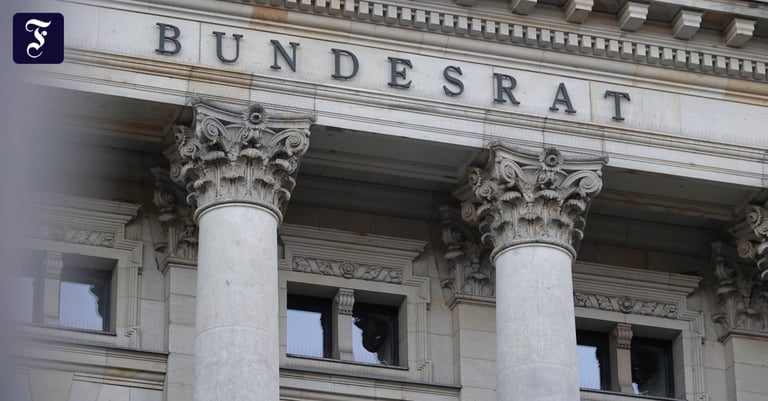

On December 19, 2024, German lawmakers passed a taxation reform aimed at alleviating the financial burden caused by rising inflation.
The approved measures received bipartisan support from the former coalition partners SPD, Greens, and FDP, as well as the opposition Christian Democrats, while the Left party opposed the measures.
The total financial relief for families is estimated at approximately 14 billion euros, with child benefits increasing and the children's tax allowance raised by 60 euros to 6,672 euros starting in January 2025.
However, many families may not experience significant financial relief due to rising social security contributions and insufficient compensatory tax cuts.
Federal Finance Minister Jörg Kukies advocated for the relief measures to ensure citizens see improvements in their accounts at the start of the year, despite the loss of proposed economic stimulus initiatives.
Starting January 2025, the average additional contribution rate for statutory health insurance will rise from 1.7% to 2.5%, alongside a 0.2% increase in long-term care insurance contributions.
Despite the relief measures, households may see a reduction in net income due to increased social contributions, with an average single earner experiencing a decrease in net income burden.
Criticism arose from SPD and Greens regarding the removal of investment incentives and improved depreciation options from the bill, which were initially included in FDP and Union election programs.
As discussions intensify on revitalizing the economy ahead of snap elections planned for February 2025, the urgency of passing the law before Christmas 2024 has been emphasized.
The Bundesrat's approval is crucial, as it represents a waiver of about 5.4 billion euros in annual revenue for the states, with total costs of 7.2 billion euros expected for the following year.
Additionally, the income threshold for health and care insurance contributions will be adjusted to €66,150 annually, meaning income above this level will not incur contributions.
The proposed child basic security system, aimed at improving conditions for children in financially weak households, remains uncertain following the collapse of the coalition government.
Summary based on 16 sources