AI Revolutionizes Liver Fibrosis Evaluation in MASH, Enhancing Diagnostic Accuracy and Treatment
December 9, 2024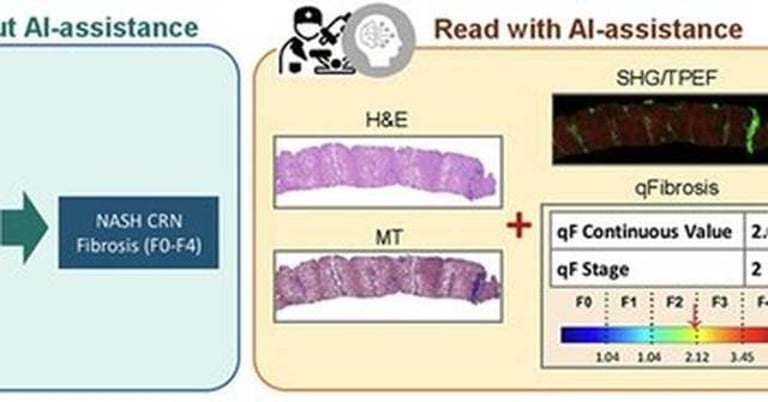

The study highlights the increasing demand for reliable AI-based tools to enhance treatment response assessment in MASH, as conventional scoring systems exhibit limitations.
A collaborative study published in the Journal of Hepatology on December 9, 2024, reveals how Artificial Intelligence (AI) is revolutionizing the evaluation of liver fibrosis in metabolic dysfunction-associated steatohepatitis (MASH).
Dr. Arun Sanyal from Virginia Commonwealth University emphasized that AI-assisted imaging improves confidence in staging and could streamline clinical trial processes, reducing the need for third-pathologist adjudication.
MASH, a progressive form of metabolic dysfunction-associated steatotic liver disease, is characterized by liver fat accumulation, inflammation, and poses risks of fibrosis, cirrhosis, and liver cancer, underscoring the need for accurate diagnostic tools.
This research marks a significant step forward in using AI to assist pathologists in both clinical trials and routine patient care for MASH.
The effectiveness of HistoIndex's AI digital pathology platform was highlighted in the study, showcasing its potential to improve clinical outcomes.
Accurate staging of MASH is crucial for effective diagnosis and treatment, making the advancements in AI technology particularly timely and relevant.
These findings represent a significant advancement in utilizing AI for enhancing the consistency and accuracy in diagnosing and managing MASH, a growing global health issue.
Dr. Gideon Ho, CEO of HistoIndex, noted that the study's findings could transform clinical trial assessments and lead to personalized care for MASH patients.
HistoIndex, founded in 2010, specializes in stain-free imaging solutions and AI-based analysis to improve fibrosis assessment and drug efficacy in clinical research.
HistoIndex's stain-free digital pathology platform employs advanced technology to deliver more consistent and accurate assessments of fibrosis severity, addressing variability in traditional methods.
The study analyzed 120 digitized histology slides from two Phase 2b clinical trials and demonstrated that AI significantly improved inter-pathologist agreement on fibrosis staging, particularly for early-stage fibrosis (F0-F2).
Summary based on 4 sources
Get a daily email with more AI stories
Sources
The Manila Times • Dec 9, 2024
BRIDGING CLINICAL RESEARCH AND CLINICAL CARE WITH AI-AIDING PATHOLOGISTS TOOL
Bastillepost 巴士的報 • Dec 9, 2024
BRIDGING CLINICAL RESEARCH AND CLINICAL CARE WITH AI-AIDING PATHOLOGISTS TOOL
Macau Business • Dec 9, 2024
BRIDGING CLINICAL RESEARCH AND CLINICAL CARE WITH AI-AIDING PATHOLOGISTS TOOL | Macau Business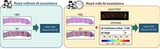
PR Newswire APAC • Dec 9, 2024
BRIDGING CLINICAL RESEARCH AND CLINICAL CARE WITH AI-AIDING PATHOLOGISTS TOOL