Webb Telescope Uncovers Organic Molecules in Protoplanetary Ices: A Clue to Life's Origins?
March 14, 2024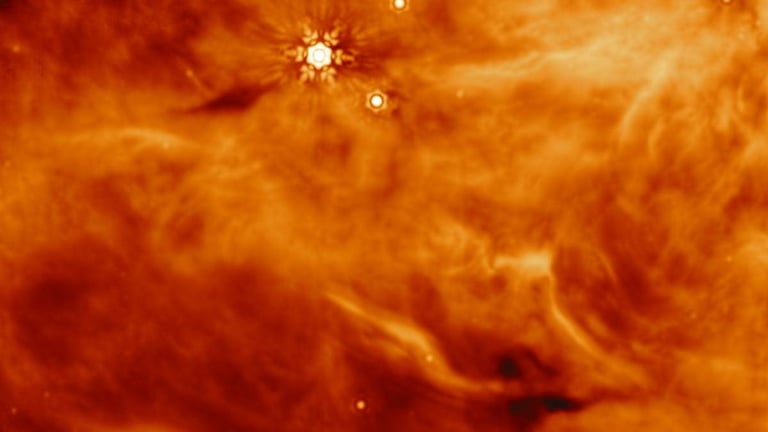

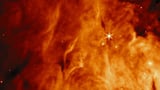
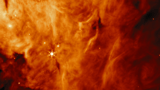
Astronomers have used the James Webb Space Telescope to detect complex organic molecules in interstellar ices around two protostars.
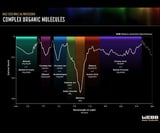
Detected molecules include ethanol and acetic acid, hinting at chemical complexity in star-forming regions that may affect planetary habitability.
These molecules are thought to originate from the sublimation process, transitioning from solid to gas without becoming liquid, a significant insight into astrochemistry.
The discovery suggests such organic compounds could be more mobile across galaxies, potentially seeding life's building blocks on new planets.
This research contributes to the understanding of our Solar System's early stages and the formation of other planetary systems.
Future studies with the Webb telescope will delve deeper into these astrochemical processes, with implications for life's origins and the habitability of exoplanets.
Summary based on 7 sources
Get a daily email with more Science stories
Sources

ScienceDaily • Mar 13, 2024
Cheers! NASA's Webb finds ethanol, other icy ingredients for worlds