Global Warming May Delay "Negative Leap Second" Until 2032
March 27, 2024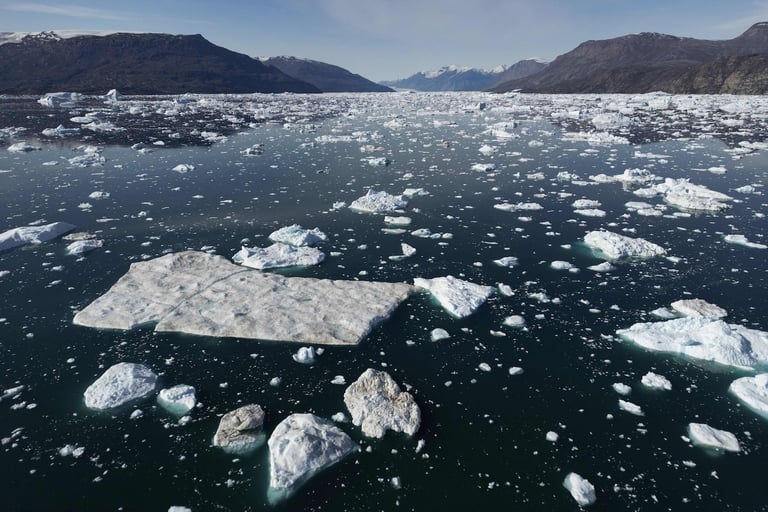


Global warming's impact on Earth's rotation could necessitate a 'negative leap second' adjustment to the official time by 2029, possibly delayed to 2032 due to new findings.
The melting of polar ice sheets is altering Earth's angular velocity, affecting precision timekeeping required for network computing and financial markets.
A shift in mass from melting ice at the poles to lower latitudes contributes to the change in Earth's rotation.
International timekeeping standards and the technological underpinnings of society face challenges due to the need to realign Coordinated Universal Time (UTC) with the Earth's altered rotation.
The potential removal of the second 23:59:59 on a designated day highlights the critical relationship between climate change and global timekeeping practices.
The situation underscores the importance of free journalism in maintaining access to quality news coverage on issues such as the interplay between environmental changes and technological norms.
Summary based on 26 sources
Get a daily email with more World News stories
Sources

The Washington Post • Mar 27, 2024
Climate change is altering Earth’s rotation enough to mess with our clocks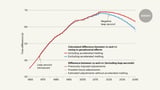
Nature • Mar 27, 2024
Melting ice solves leap-second problem — for now
Nature • Mar 27, 2024
Climate change has slowed Earth’s rotation — and could affect how we keep time