Groundbreaking Study Uncovers Comprehensive Molecular Impact of Exercise on Rat Organs
May 1, 2024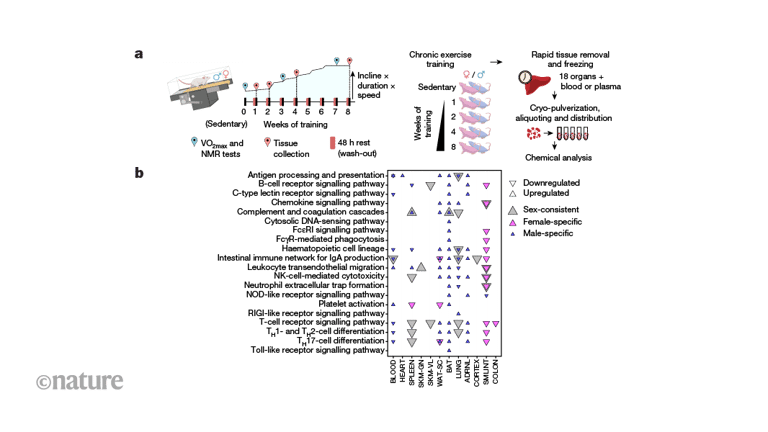


The Molecular Transducers of Physical Activity Consortium (MoTrPAC) has uncovered extensive biomolecular responses to exercise across 19 different organs in rats, as shown in a study published in Nature.
The NIH-supported research, involving 2,600 volunteers over eight years, identified over 35,000 biological molecules that change in response to endurance exercise, highlighting notable gender-specific differences.
A collaboration of researchers from the Broad Institute, MIT, Harvard, Stanford, and the NIH, the study provides new insights into the molecular impacts of exercise on diseases and conditions like inflammation in the liver, heart diseases, and immune system regulation.
The research found changes in RNA, proteins, and metabolites, and observed that exercise-induced protein acetylation in mitochondria and phosphorylation signaling in the liver could lead to improved liver health and new treatment targets.
The MoTrPAC study, with a budget of around $226 million from the NIH Common Fund, aims to inform personalized exercise programs and develop treatments that replicate the benefits of physical activity for those who cannot exercise.
All animal data from the study is now accessible in a public online repository for further scientific exploration, anticipating that additional findings from the ongoing MoTrPAC research will significantly advance the understanding of the molecular effects of exercise on human health.
Summary based on 8 sources
Get a daily email with more World News stories
Sources
Nature • May 1, 2024
Temporal dynamics of the multi-omic response to endurance exercise training
Nature • May 1, 2024
Endurance exercise causes a multi-organ full-body molecular reaction
SciTechDaily • May 1, 2024
Secrets Beneath the Sweat: Scientists Decode the Molecular Impact of Exercise
ScienceDaily • May 1, 2024
Scientists work out the effects of exercise at the cellular level