Revolutionary AI Method Enhances Skin Cancer Detection, Outperforms Traditional Techniques
August 25, 2024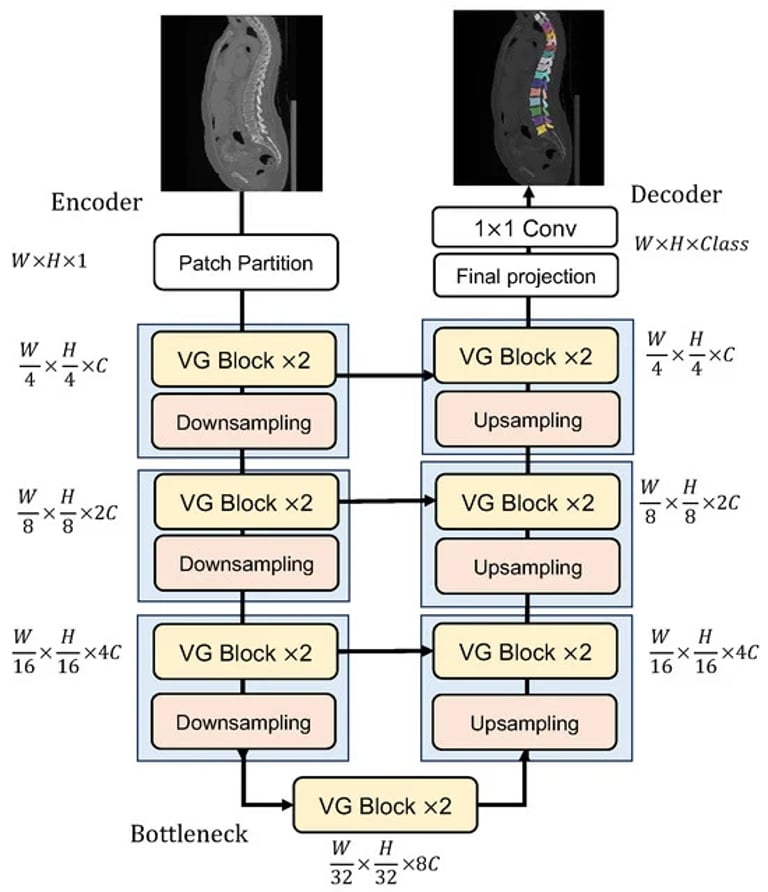


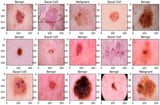
Deep learning, particularly through convolutional neural networks (CNNs) like VGG16, has shown significant promise in the analysis of medical images, specifically in identifying various types of skin cancer.
A systematic literature review was conducted to assess recent advancements in skin disease detection utilizing machine learning techniques.
The authors highlighted the critical role of image quality in deep learning applications, contrasting it with the prevalent focus on the quantity of images in existing research.
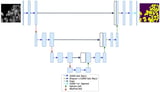
The U-Net-based segmentation approach outperformed other methods, including SegNet and binary thresholding, as evidenced by superior performance metrics such as the Jaccard index and Dice coefficient.
Implementing data augmentation techniques and meticulous pre-processing has been shown to enhance the training effectiveness of the model.
Results indicated that the proposed method significantly improved cell segmentation efficiency, with an increase in Intersection over Union (IoU) and DICE coefficient.
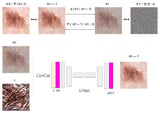
The Stain SAN method allows for effective stain adaptation without the need for separate training, making it highly practical for clinical applications.
Employing a Swin Transformer-based network, the method effectively addresses initial misalignment and manages intensity discrepancies in images.
Dr. Yuri Tolkach emphasized that the platform developed has the potential to create entirely new clinical tools, enhancing diagnostic quality and providing deeper insights into patient treatment responses.
The research team is set to conduct a validation study across five pathological institutes in Germany, Austria, and Japan to confirm the platform's broad applicability.
The new validation process reveals insights into cancer data that traditional optical evaluations may overlook, offering pathologists additional information.
The authors summarize their contributions, including the development of DFTransUNet for pixel-level segmentation and an efficient search framework for transformer-based models.
Summary based on 15 sources