Tensions Rise in German Coalition Over Nuclear Phase-Out Inquiry
January 15, 2025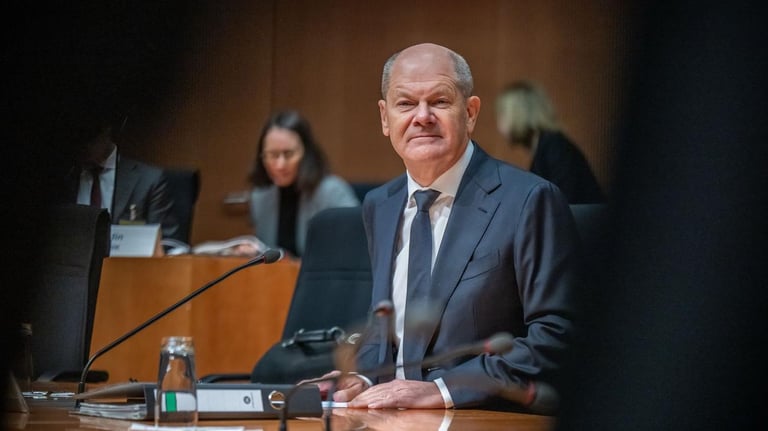

Habeck aggressively criticized previous Union-led governments for creating a dangerous dependency on Russian gas, suggesting that the energy crisis was exaggerated to challenge the nuclear phase-out.
The recent inquiry into Germany's nuclear phase-out has revealed ongoing tensions within the coalition government, particularly regarding the decision to extend the operation of the last three nuclear power plants.
Chancellor Olaf Scholz intervened in late 2022, extending operations from the original shutdown date of December 31, 2022, to April 15, 2023, due to a dispute within the coalition.
The inquiry is investigating whether the government adequately examined the decision to phase out nuclear energy, with committee members expressing skepticism about the evaluations conducted.
During the hearings, Economic Minister Robert Habeck faced intense scrutiny, leading to moments of absurdity as he defended the government's stance against accusations of ideological bias.
The inquiry concluded with differing opinions, as the Greens and SPD found no evidence of ideologically driven actions, while the Union accused the government of a large-scale deception.
Despite reviewing approximately 350,000 pages of documents and hearing 40 testimonies, the inquiry did not conclusively prove that the decision to reject extending nuclear operations was ideologically motivated.
Habeck concluded that continuing the operation of the nuclear plants would have had minimal impact on alleviating gas shortages, estimating potential savings of only 'one thousandth' of gas consumption.
Habeck's responses often involved lengthy pauses and document reviews, which frustrated committee members seeking direct answers.
Committee chairman Stefan Heck accused Habeck of misrepresenting the views of nuclear plant operators, further complicating the narrative surrounding the decision-making process.
The inquiry's repetitive questioning yielded few new insights, with the ongoing Bundestag election campaign influencing the tone and content of the discussions.
Summary based on 19 sources