NHS Launches £10M Trial for Early Dementia Diagnosis via Blood Tests Across 28 UK Sites
January 29, 2025


A new NHS trial, involving 3,100 participants, is set to explore the use of blood tests for early dementia diagnosis, addressing critical issues such as memory loss.
The trial, known as the 'Blood Biomarker Challenge,' has a budget of £10 million and is supported by the People's Postcode Lottery, aiming to enhance diagnosis and treatment pathways for dementia.
Currently, only 2% of Alzheimer's Disease patients receive a proper diagnosis, largely due to limited access to specialized PET scanners and trained personnel for spinal fluid sampling.
Dementia remains the leading cause of death in the UK, with patients often experiencing long waits for diagnosis, underscoring the importance of this research.
Early diagnosis through blood testing could significantly improve patient outcomes by enabling timely management of the disease and delaying its progression.
Participants like 67-year-old Stephanie Everill, who has mild cognitive impairment, hope that the trial will lead to faster diagnoses and better access to treatments.
The trial is being conducted across 28 sites in the UK, examining various types of dementia, including Alzheimer's, vascular, and Lewy body dementia.
With new drugs for dementia in development, early diagnosis is crucial for patients to benefit from these treatments once they become available.
Led by Professor Vanessa Raymont from the University of Oxford, the study seeks to develop a reliable and cost-effective blood test for clinical use within five years.
Experts, including Professor Fiona Carragher and Dr. Sheona Scales, express optimism about the trial's potential to revolutionize dementia diagnostics, highlighting the pressing need for better testing methods.
The study aims to include a diverse participant demographic, focusing on minority ethnic groups, elderly individuals, and those with other health conditions.
Professor Raymont emphasizes the urgent need for improved diagnostic methods to ensure patients can access new Alzheimer's drugs as they become available.
Summary based on 4 sources
Get a daily email with more Science stories
Sources

The Mirror • Jan 29, 2025
‘I think I’ve got Alzheimer’s but I haven’t been officially diagnosed yet’
Express.co.uk • Jan 29, 2025
First patients recruited for blood tests that could detect dementia years before symptoms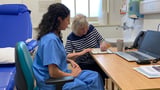
Euro Weekly News • Jan 29, 2025
“Holy grail”: Revolutionary new blood test to diagnose dementia unveiled