Sydney Botanic Gardens Digitizes 1 Million Plant Specimens, Unveils Vast Digital Archive
January 6, 2025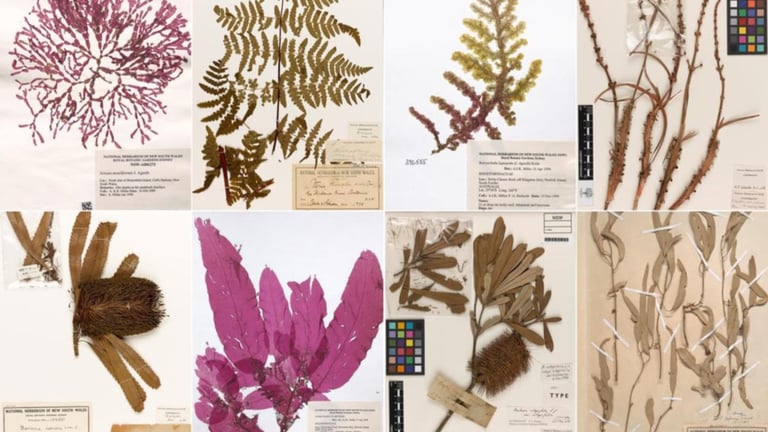


Fashion designers and artists have also shown interest in the collection, utilizing plant images for fabric printing and digital art projects.
The public can explore this extensive archive through the Botanic Gardens of Sydney Herbarium search portal.
Recognized as one of the most significant botanical resources in the southern hemisphere, the National Herbarium of NSW offers insights into centuries of botanical history and Australia's biodiversity.
Technological advancements from this project foster collaboration among educators, decision-makers, land managers, and community groups, all working to prevent plant extinction.
During the digitization process, approximately 4,000 high-resolution images of plant specimens were captured daily, showcasing the scale of this endeavor.
This digital archive allows scientists and plant enthusiasts to access hundreds of years of botanical history and learn about Australia's unique biodiversity.
Ultimately, this project represents the largest mass digitization of a natural history collection in the southern hemisphere, creating the first searchable image archive of Pacific region specimens.
For five years, scientists at the Botanic Gardens of Sydney have digitized a remarkable collection of over one million plant specimens, including contributions from Indigenous painter Albert Namatjira and artifacts from Captain Cook's first voyage.
This extensive digital archive features more than 800 specimens collected by Sir Joseph Banks and Daniel Solander during their 1770 expedition with James Cook.
The collection not only highlights specimens from Cook's voyage but also showcases significant discoveries related to Australia's botanical history, including works by Namatjira and botanical illustrator Margaret Flockton.
High-resolution images of these specimens are stored on Amazon Web Services (AWS), which is providing free storage through the AWS Open Data Sponsorship Program to enhance community access.
The digitization process has enabled the analysis of changes in flora due to land clearing and climate change, making it an invaluable resource for Indigenous communities.
Summary based on 2 sources
Get a daily email with more Science stories
Sources

The Sydney Morning Herald • Jan 5, 2025
What do scientists, artists and fashion designers have in common? One million plants
The West Australian • Jan 6, 2025
Plants collected on Cook voyage in new online archive