Germany Faces Snap Election as Defense Budget Debate Heats Up Amid Government Collapse
January 7, 2025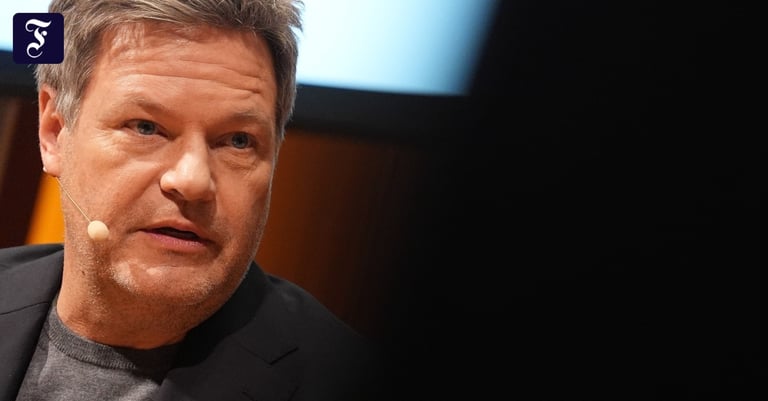

Skepticism remains within the Union party, particularly from the CSU, regarding Habeck's intentions, with some suggesting he aims to abolish the debt brake rather than genuinely strengthen defense.
Despite current political tensions, Scholz expressed a willingness to consider the Free Democratic Party (FDP) as a potential coalition partner in the future, respecting the democratic process.
Scholz has called for a 'turning point' in defense policy following Russia's invasion of Ukraine, emphasizing the need for a robust military response.
FDP defense politician Marie-Agnes Strack-Zimmermann supports higher defense spending but accuses Habeck of politicizing the issue for electoral gain.
Foreign Minister Annalena Baerbock criticized Scholz's passive response to billionaire Elon Musk's comments on German politics, urging against repeating past mistakes.
In the backdrop of these political maneuvers, Saxon bishops have launched a campaign promoting dignity and participation in elections, warning against extremist parties.
The German Army currently faces significant underfunding, particularly in ammunition and weapon systems, leaving it vulnerable to modern threats.
Scholz has firmly rejected any collaboration with the far-right AfD party, while remaining cautious about potential alliances with Sahra Wagenknecht's party due to its stance on NATO and Russia.
The coalition government led by Chancellor Olaf Scholz collapsed in November 2024 after he dismissed Finance Minister Christian Lindner, prompting a snap federal election scheduled for February 23, 2025.
In light of NATO's target for defense spending, Robert Habeck has proposed increasing Germany's military budget to 3.5% of GDP, arguing that current levels are insufficient to deter potential aggression from Russia.
Chancellor Scholz has criticized Habeck's proposal, questioning the rationale behind nearly doubling the military budget from approximately 80 billion to 140 billion euros and seeking clarity on funding sources.
Habeck suggests financing this increase through new loans, asserting that national security should not be constrained by the debt brake.
Summary based on 7 sources