Study Links Depression Subtypes to Increased Diabetes and Cardiovascular Risks
October 13, 2025

The study distinguishes between two depression subtypes: melancholic depression, characterized by symptoms such as early morning awakening and decreased appetite, which is associated with increased cardiovascular risk but not diabetes, and atypical depression, marked by fatigue, increased sleep, and higher appetite, linked to a higher risk of both diabetes and cardiovascular disease.
Recent research presented at the 38th ECNP Congress in Amsterdam highlights that depression's link to cardiometabolic diseases varies depending on specific depressive symptom profiles, underscoring the importance of personalized treatment approaches.
A comprehensive seven-year study involving nearly 5,800 adults from the Netherlands has revealed that individuals with atypical or energy-related depression are approximately 2.7 times more likely to develop Type 2 diabetes, while those with melancholic depression face about a 1.5 times higher risk of cardiovascular diseases like heart attack or stroke.
The large sample size and longitudinal design of the study strengthen its findings, though further validation across diverse populations remains necessary.
These findings have significant public health implications, highlighting the need for early diagnosis and tailored interventions for depressed individuals to prevent the onset of chronic cardiometabolic conditions.
The research supports a shift towards precision psychiatry by recognizing that depression's biological subtypes influence physical health risks differently, advocating for integrated, individualized care.
Overall, the study underscores that depression's systemic effects are heterogeneous, with subtype-specific risks that can inform personalized prevention and treatment strategies, fostering a holistic biopsychosocial approach.
Clinicians may soon incorporate depression subtype assessments into routine care, enabling targeted metabolic screenings and risk stratification to prevent diabetes and cardiovascular diseases.
Experts emphasize the importance of integrating physical health management into depression treatment, especially given the rising prevalence of diabetes and cardiovascular diseases, with studies like this supporting early intervention.
Biological analyses reveal that atypical depression is linked to disruptions in inflammatory and metabolic processes, such as elevated systemic inflammation and insulin resistance, which are not observed in melancholic depression.
Lead researcher Dr. Yuri Milaneschi emphasized that understanding the biological signatures of different depression types could pave the way for more personalized, precision psychiatry treatments.
This evidence advocates for a paradigm shift towards integrated care, where depression subtypes and their distinct biological pathways are considered to optimize health outcomes.
The study identified two main depression profiles based on symptoms: melancholic features like early morning awakening and loss of appetite, and atypical or energy-related features such as fatigue, increased sleep, and higher appetite.
Summary based on 3 sources
Get a daily email with more Science stories
Sources

ScienceDaily • Oct 12, 2025
Your type of depression could shape your body’s future health
Medical Xpress • Oct 11, 2025
Different types of depression linked to different cardiometabolic diseases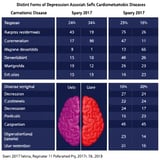
BIOENGINEER.ORG • Oct 11, 2025
Distinct Forms of Depression Associated with Specific Cardiometabolic