Australia Braces for Record-Breaking Heatwave and Severe Weather Threats This Summer
October 16, 2025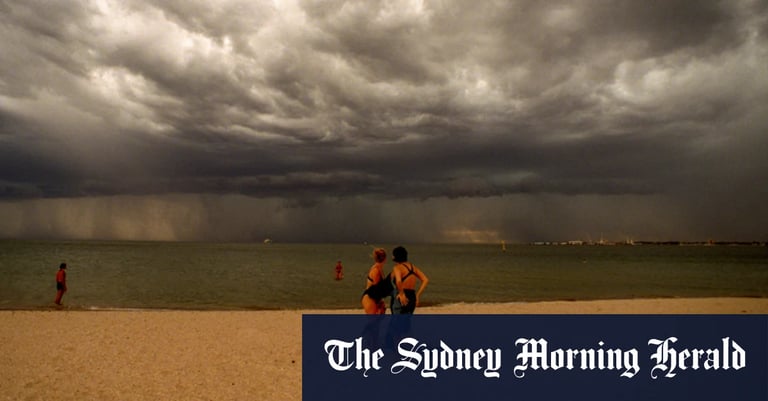


Western Australia is experiencing high temperatures, with the Pilbara region reaching 43.5°C, and a widespread heatwave expected to spread across central and southern Australia during the weekend, with some areas possibly surpassing 45°C.
Australia is facing an exceptionally hot summer, with forecasts predicting above-average daytime and nighttime temperatures across most regions, especially in northern and eastern areas, with some places potentially experiencing record-breaking heat.
Night-time temperatures are expected to remain unusually warm, ranking in the top 20% on record, which will contribute to a hotter overall climate during the season.
The summer is likely to be characterized by prolonged and earlier warmth, with increased chances of extreme heatwaves, particularly in Tasmania where there is a 60-70% probability of exceeding normal temperatures.
Sea surface temperatures around Australia have been record-breaking since September, driven by persistent ocean warming and the extension of the East Australian Current, leading to widespread coral bleaching and contributing to the heatwave conditions.
The southwest Pacific region has experienced extensive marine heatwaves, tropical cyclones, and threats to tropical glaciers, with marine heatwaves covering over 10% of the global ocean surface, impacting ecosystems and weather patterns.
Australia's severe weather outlook includes a high risk of thunderstorms, damaging winds, hail, and tornadoes from October to December, especially affecting eastern regions like Sydney, Hunter, and the Mid North Coast.
The tropical cyclone season, running from November 1 to April 30, poses a significant threat, with at least one to four cyclones expected to make landfall, mainly on the east coast during summer.
Ongoing marine heatwaves have caused ecological issues such as algal blooms, mass fish kills, and species die-offs, including pilchards, driven by increased ocean temperatures and low oxygen levels.
Severe thunderstorms are forecasted to affect central eastern and northeastern New South Wales, including Sydney, with damaging winds, large hail, and heavy rain expected to continue into the late evening or overnight.
The broader Northern Hemisphere is also experiencing record warmth, with the US West Coast seeing milder, humid conditions fueled by marine heatwaves, and countries like South Korea and Japan recording their warmest temperatures on record.
Globally, sea surface temperatures are well above average, with September 2024 being the third warmest on record, and 2024 confirmed as the hottest year on record in the southwest Pacific.
The intense heat is also linked to climate phenomena like a negative Indian Ocean Dipole, which is associated with increased spring rainfall in southern and eastern Australia, and a weak La Nina expected later in spring.
High water storages and increased soil moisture are raising the risk of riverine flooding in Queensland, New South Wales, and northern Victoria, with tropical cyclones potentially impacting communities during the season.
While the summer bushfire outlook is pending, historical patterns suggest southern Australia remains highly fire-prone, with significant activity likely depending on fuel levels and weather conditions from December to February.
In Sydney, October temperatures have already been unusually high, averaging 27.2°C so far, which could make it the hottest October on record for the city.
Summary based on 3 sources
Get a daily email with more Climate change stories
Sources

The Guardian • Oct 16, 2025
‘Summer is coming sooner and it’s lasting longer’: what has the weather got in store for Australia?
The Sydney Morning Herald • Oct 12, 2025
‘The blob’, rain and La Nina: What the summer forecast holds for Australia