Louvre Launches Major Security Overhaul After Daring Heist, Aims to Restore Public Trust
November 19, 2025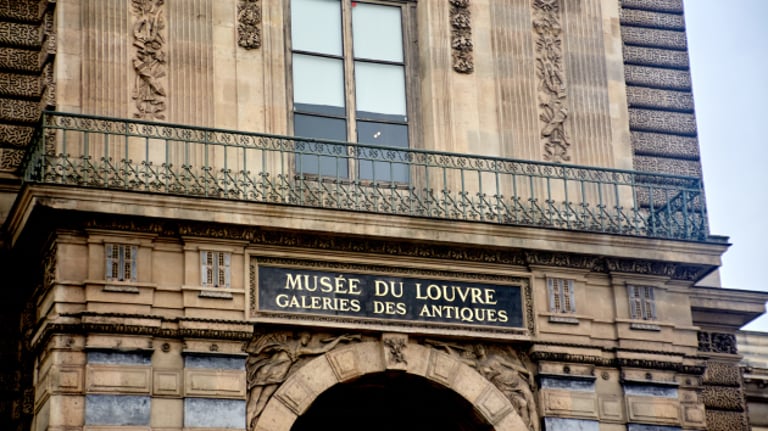

Des Cars described modernization as urgent after aging equipment and the need for contemporary measures to deter future breaches.
Des Cars acknowledged past security failures revealed by internal audits, including weak passwords and outdated systems, and defended ongoing investments despite criticism.
Audits highlighted a decade-long underinvestment in infrastructure, noting that a large share of the budget went to acquiring artworks to keep them from leaving France, a policy she says will continue.
A new security coordinator role will be created as part of more than 20 emergency measures, and the position is currently posted.
A Cour des Comptes report stated infrastructure updates were hampered by spending on acquisitions, underscoring tension between modernization and national-collection priorities.
Authorities say the heist took about seven minutes, with thieves using a cherry picker and power tools; gaps such as a perimeter camera not facing the gallery are cited in investigations.
Note: Article text behind a paywall focuses on announced measures and architectural concerns.
A gallery was temporarily closed on November 17 as a precaution amid ongoing security reviews.
Security upgrades are a priority amid mass tourism and aging infrastructure described as technically obsolete.
The museum also addressed an incident involving two Belgian influencers near the Mona Lisa, noting it is not on par with the October theft but vigilance remains high.
Interior Minister Nuñez expressed cautious optimism that the jewels may be recovered, stating confidence as long as there’s no evidence they were sold.
Des Cars noted that the 2019 anti-intrusion cases did not anticipate the burglars’ approach, signaling a need for stronger overall security controls.
Des Cars stressed the Louvre’s fragility and the need to modernize to address security, climate, and digital challenges while preserving its status as a national treasure.
The security plan responds to maintenance criticisms and aims to restore public trust and prevent future incidents.
Investigations found inadequate exterior camera coverage, including no cameras on the balcony involved in the robbery, prompting calls for improved surveillance on surrounding roads.
Des Cars acknowledged responsibility for the October security failure and noted that the initial plan lacked videoprotection and command-post integration, which Macron later rejected.
New rooms with updated equipment are planned to ensure full modern video coverage and closer protection for artworks.
Thieves used concrete-disc cutters to breach display cases designed to counter internal attacks; the cases held up poorly against the intrusion, prompting questions about perimeter security.
Des Cars defended acquisitions while committing to address security gaps without implying competition with enriching national collections.
Recent security incidents, including activists targeting paintings, illustrate ongoing vulnerabilities in the museum’s security posture.
Staff shortages cited by unions complicate surveillance and security tasks across the Louvre’s vast area and collection.
Four suspects have been arrested in connection with the October robbery, with ongoing investigations into missing jewels valued at about 88 million euros.
Ongoing investigations aim to identify causes and guide timely reinforcement work, with staff relocations possible.
Temporary closures of offices and a public gallery reflect safety and maintenance concerns alongside the security push, including the Campana gallery due to structural fragility.
BMI analysis warned about fragile second-floor beams in the Sully wing, prompting evacuation plans and potential Campana gallery closures.
Mass tourism has led the Louvre to cap daily visitors at about 30,000, even as this year’s visitors surpassed 8 million, underscoring the strain on security and infrastructure.
In the wake of October’s crown jewels heist, the Louvre will roll out extensive security upgrades, including about 100 new surveillance cameras and rapid-install anti-intrusion systems aimed at protecting the museum and its surroundings, with most measures expected by next year’s end.
Director Laurence Des Cars announced at a National Assembly hearing that the plan includes an advanced police station within the Louvre estate to strengthen ties with Paris police.
Des Cars said the focus now is on swift action and implementing measures in the coming days.
The Louvre’s renovation program, Louvre - Nouvelle renaissance, is framed as addressing equipment obsolescence within a broader modernization effort.
Des Cars acknowledged responsibility for the October 19 failure and announced immediate security enhancements aimed at building a stronger safety culture.
National Assembly auditions are examining Louvre security reorganization and leadership, raising governance questions.
Des Cars defended Macron’s plan for a new Louvre entrance and a separate Mona Lisa exhibition space, noting half of planned works would modernize facilities.
At a parliamentary session, Des Cars defended the museum’s security measures and denied claims that safety investments were neglected in favor of acquisitions.
The article places these developments about a month after the theft, highlighting heightened security posture and potential policy changes.
Newly renovated spaces will soon open with comprehensive video coverage and tighter protection for artworks.
The Louvre remains the world’s most visited museum, housing 35,000 works on a 37-hectare site with thousands of guards and millions of annual visitors.
Public communications indicate there is no immediate risk to exhibited collections despite gallery closures or evacuations.
Authorities pledged anti-intrusion devices and crash barriers on nearby roads by year’s end as part of the response.
The measures are framed within government support, noting earlier opposition to housing a police station inside the museum.
A Comptroller General’s report criticized prioritizing high-visibility operations over safety and highlighted delays in infrastructure upgrades.
A master plan for safety equipment will roll out from 2026 with investments exceeding 80 million euros.
The plan includes broader measures to protect the museum’s surroundings and ensure full protection of its exterior and grounds.
Summary based on 18 sources
Get a daily email with more World News stories
Sources

ABC News • Nov 19, 2025
Louvre to set up new cameras and anti-intrusion systems after crown jewels heist
AP News • Nov 19, 2025
Louvre boosts security with new measures after crown jewels heist | AP News
FRANCE 24 • Nov 19, 2025
Louvre unveils new surveillance plan in wake of crown jewels heist
ABC7 Los Angeles • Nov 19, 2025
Louvre to set up new cameras and anti-intrusion systems after stunning crown jewels heist