TikTok Tests AI Content Control Slider, Launches $2M Literacy Fund Amid Industry Shifts
November 19, 2025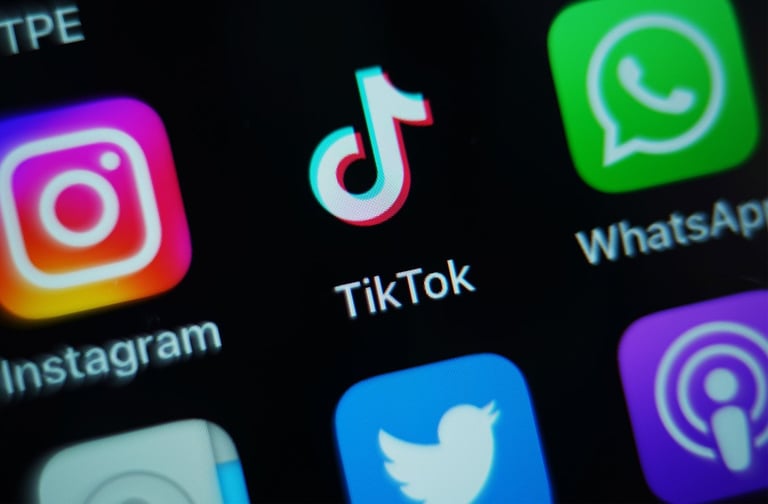


TikTok is testing an AI content control with a dedicated AI slider under Manage topics, allowing users to adjust how much AI-generated content appears in their video feed.
Invisible watermarks are being explored as part of a broader provenance effort, complementing standards like the Content Authenticity Initiative and C2PA.
To boost responsible AI use, TikTok is launching a $2 million AI literacy fund in partnership with organizations such as Girls Who Code.
Industry commentary suggests the opt‑in approach mirrors moves by other platforms and underscores the ongoing need for detection tools alongside filtering.
Experts discuss potential impacts on the creator economy, brand authenticity, echo chambers, and regulatory considerations in regions like the EU, signaling a shift toward user‑centric content controls.
Future updates are anticipated as labeling standards evolve and more AI tools roll out across the industry.
The feature is framed as empowering users, preserving content quality, and fostering transparency, with potential influence on policies and standards across digital platforms.
Regulatory and moderation scrutiny is shifting toward AI monitoring, which has drawn criticism from unions and safety experts as the industry weighs reducing human trust-and-safety roles.
The summary references related developments and sources, including AI-model labeling and broader adoption of agentic AI tools.
TikTok’s move aligns with industry trends as Pinterest, YouTube, and Meta pursue labeling or content controls, with regulators calling for clearer manipulated-media identifiers.
Industry context notes AI-generated content is expanding, but consumer demand for such content remains uncertain and varies by platform.
The initiative mirrors regulatory and industry trends toward synthetic-media labeling, including EU expectations under the Digital Services Act and cross‑platform transparency efforts.
Summary based on 30 sources
Get a daily email with more World News stories
Sources
The Verge • Nov 19, 2025
TikTok is letting users control how much AI content they see
The Guardian • Nov 19, 2025
TikTok to give users power to reduce amount of AI content on their feeds
Business Insider • Nov 19, 2025
TikTok is testing a new tool that lets users reduce AI slop on the FYP
TechCrunch • Nov 19, 2025
TikTok now lets you choose how much AI-generated content you want to see