France's Assembly Votes for €6.7 Billion Defense Boost in Symbolic Step Toward 2026 Budget
December 10, 2025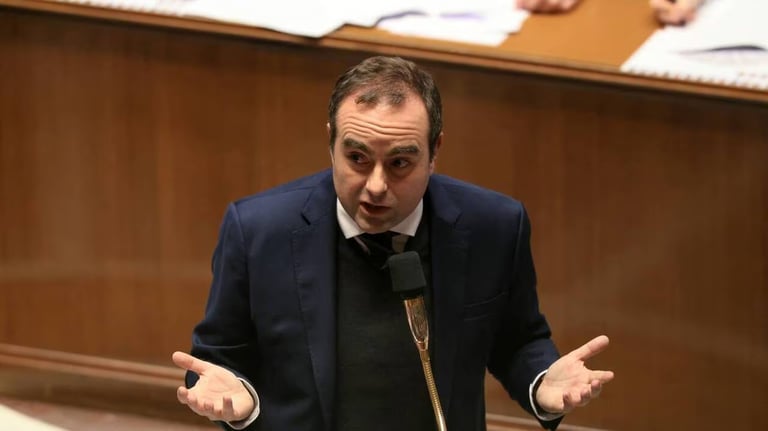

France’s National Assembly held a symbolic vote in defense of increasing the 2026 defense budget by 6.7 billion euros, with 411 in favor, 88 against and 22 abstentions, in a debate led by Prime Minister Sébastien Lecornu.
The proposed 6.7 billion euro rise for 2026 is framed as a symbolic step within the broader defense strategy, not a binding government accountability vote.
Lecornu invoked Article 50-1 to ask lawmakers to approve the principle of the increase, presenting it as part of a staged, consensus-building process.
The defense discussion is part of a multi‑body budget process involving the National Assembly, the Senate, and a potential joint committee meeting on December 19, with possible January negotiations if no accord is reached.
Even with debate, the 2026 budget path remains uncertain and is pursued within Article 50-1, aiming to build cross‑party consensus ahead of final passage.
The constitutionally framed debate under Article 50-1 includes a government response but has no binding effect unless it advances to a vote that does not suspend government responsibility.
A vote on the budget is anticipated around late evening, with outcomes depending on Senate passages and potential compromises amid concerns about the deficit and overall state budget.
Divergent lines exist on U.S. posture, EU/Ukraine alignment, and internal positions among LFI and RN, echoing broader debates that have yet to yield full consensus.
Lecornu is pursuing a theme-based, step-by-step consensus approach consistent with his budgeting strategy.
This defense push follows the Social Security budget and precedes further budget examinations, using five themed debates to build cross-party consensus.
The broader process seeks cross-party agreement on defense priorities as part of a staged budget strategy.
Key politics show a difficult path to a majority, with the Socialist Party offering limited concessions and opposition leaders signaling concerns about timing.
Summary based on 6 sources