Breakthrough CAR T-Cell Therapy Revitalizes Gut Health in Aging and Radiation-Damaged Mice
December 11, 2025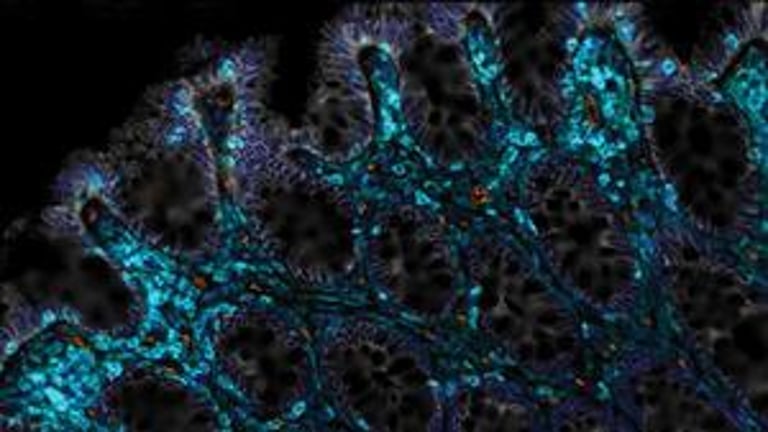

Researchers at Cold Spring Harbor Laboratory report that anti-uPAR CAR T-cell therapy can stimulate intestinal cell growth and repair, improving gut health in aging and radiation-damaged mouse models.
A single anti-uPAR CAR T-cell treatment in young mice produced lasting effects, with uPAR-fighting cells persisting for at least 15 months and continued reductions in cellular senescence along with better gut health.
Led by Corina Amor Vegas, Semir Beyaz, and Onur Eskiocak, the study delivered anti-uPAR CAR T cells to the intestines of both old and young mice, yielding significant gains in nutrient absorption, decreased inflammation, and faster epithelial regeneration after injury.
Funding for the research came from multiple institutions, including the National Cancer Institute, NIH, The Mark Foundation, Memorial Sloan Kettering, Chan Zuckerberg Initiative, and others.
When compared with senolytics like dasatinib and quercetin, the approach similarly reduced senescent cells and helped restore stem cell function, suggesting convergent benefits across strategies.
Safety notes: treated mice did not develop intestinal cancer, but authors urge clinical trials to evaluate safety and efficacy in humans.
In older (18–20 months) and young mice, uPAR-expressing cells are more prevalent and co-express senescence markers, with older human gut tissue showing a similar pattern.
Conclusion: uPAR+ epithelial cells are proposed as key drivers of intestinal aging and inflammation, presenting a promising therapeutic target pending human trials and safety assessments.
uPAR-positive senescent cells are harmful when abundant, and prior work showed CAR T cells targeting uPAR can reduce senescence in other tissues.
Background on aging and gut health: aging impairs intestinal epithelium regeneration, contributing to inflammaging and leaky gut, often worsened by cancer radiation.
The gut epithelium renews rapidly but declines with age, leading to leaky gut, inflammation, and accumulation of senescent cells.
Functional restoration observed in aged mice included improved organoid-forming capacity, reduced inflammation and dysbiosis, and a gut microbiota profile closer to that of younger animals.
Summary based on 5 sources
Get a daily email with more Science stories
Sources
Cision PR Newswire • Dec 11, 2025
Gut health à la CAR T
EurekAlert! • Dec 11, 2025
Gut health à la CAR T
Medical Xpress • Dec 11, 2025
CAR T-cell therapy accelerates intestinal healing in aging mice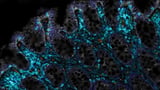
Cold Spring Harbor Laboratory • Dec 11, 2025
Gut health à la CAR T