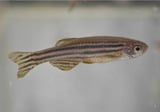
Nanoplastics Rapidly Invade Zebrafish Organs, Raising Human Health Concerns
December 14, 2025

Corresponding author Wen-Xiong Wang notes the potential relevance of these findings to other animals and humans.
The research demonstrates translocation across biological barriers into the circulatory system, raising concerns about similar processes in other species and humans.
Accumulation stabilizes over a few days, indicating persistent internal presence with possible disruption to nervous and reproductive systems.
Implications extend beyond aquatic ecosystems, suggesting potential impacts on growth, reproduction, and neurological function, and highlighting the need for broader human health risk research related to environmental plastic pollution.
This work fills gaps in environmental toxicology by explaining how plastics enter circulatory systems and spread within organisms, complementing prior observations of plastics in fish.
A computer model simulates accumulation, trafficking, and clearance in fish—and predicts outcomes for waterborne and dietary exposure, aiding mammalian and human risk assessments.
Nanoplastics rapidly enter zebrafish bodies through water and food exposure, crossing biological barriers to reach the circulatory system and disseminating within 24 hours to organs including the brain, gills, liver, intestines, gonads, and muscles.
Gills and intestines are the primary absorption routes, with the intestine also serving as the main excretion organ, and some particles becoming trapped long-term.
Within a day of ingestion, nanoplastics enter the bloodstream and quickly distribute to multiple organs, signaling widespread internal exposure.
The study appears in Environmental Chemistry and Ecotoxicology and is led by researchers from City University of Hong Kong.
The same model also projects nanoplastics’ behavior in mammals, providing a reference framework for cross-species risk evaluation.
DOI of the study: 10.1016/j.enceco.2025.10.002.
Summary based on 2 sources