Australia's Budget Deficit Narrows, But Surplus Remains Elusive Amid Inflation Concerns
December 17, 2025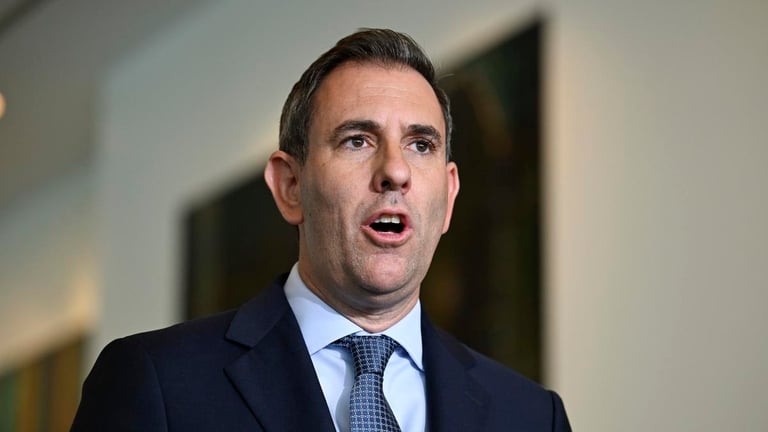

Analysts expect higher iron ore revenue to bolster the bottom line and support a softer fiscal path amid stronger growth.
Treasurer Jim Chalmers frames the update as prudent revision ahead of the May Budget, emphasizing responsible management and a stronger bottom line within the current parliamentary term.
Federal debt is not projected to exceed A$1 trillion in 2025-26, though the milestone is pushed back by a year, with net policy decisions strengthening the forecast across the horizon.
The mid-year Budget update shows a deficit of about A$36.8 billion for the current financial year, an improvement from April’s projection and a better four-year outlook that still does not forecast a surplus anytime soon.
Revenue upgrades are anticipated from a stronger economy and higher iron ore prices, with all additional revenue expected to be banked, though exact figures remain undisclosed.
The budget notes that higher government spending is contributing to inflationary pressures, while the mid-year update is part of a broader plan to deliver cost-of-living relief and build a more productive, resilient economy.
Specific program highlights include A$233 million for CSIRO, A$98 million to fast-track tradie qualifications and launch an energy skills training centre, and A$1.1 billion for expanded free mental health services and training places.
Inflation is projected to rise to around 3.75% by mid-2026, with wages growing about 3.25% and real wages declining; the labor market shows signs of cooling and unemployment peaking near 4.5%.
Chalmers argues the Budget demonstrates Labour’s responsible management and an improved fiscal position over the term.
Opposition shadow treasurer Ted O’Brien criticizes spending and calls for reductions to shield households from rate rises and fiscal pressures.
The May Budget previously highlighted a 63% rise in spending since 2019, with warnings from the Parliamentary Budget Office that net debt could approach A$1 trillion across state and federal levels before mid-decade.
The government plans about A$20 billion in spending cuts targeting consulting fees, pension rules, defence changes, and hydrogen funding to offset roughly A$35 billion in overruns and disaster-related costs.
Summary based on 2 sources
Get a daily email with more World News stories
Sources

The Guardian • Dec 17, 2025
Rate hikes, rising inflation and difficult decisions: key takeaways from Jim Chalmers’ budget update
The West Australian • Dec 16, 2025
Australian economy: Jim Chalmers to post $36.8 billion deficit amid promise to cut spending by $20bn