MIT's mRNA Breakthrough Restores Aged Mice Immune Systems, Combats Tumors
December 17, 2025

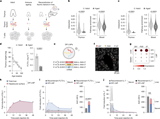
In a Nature-backed study, MIT researchers used mRNA–LNPs to deliver DLL1, FLT3-L, and IL-7 to the liver of aged mice, creating a temporary hepatic factory that boosts thymus-derived signals and dramatically increases T cell numbers and function.
The rejuvenated immune system shows stronger anti-tumor responses, with more CD8 T cells in tumors and improved outcomes to immunotherapy, including complete tumor suppression in aggressive melanoma models in aged mice.
Overall, transient liver-based reconstitution of these trophic signals offers a safer, feasible approach to counter immune aging, restore adaptive responses, and help overcome resistance to immunotherapy by rebalancing multiple immune compartments.
Findings were published in Nature on December 17 and were presented earlier at the American Society of Hematology meeting in Orlando, indicating cross-validation across venues.
The Nature article includes a substantial collaboration with Feng Zhang’s Broad Institute lab and outlines detailed methods and rationale for translating this approach to broader aging and immune contexts.
The therapy is designed to be time-limited, with no observed autoimmunity or liver toxicity, leveraging the liver’s protein-secretion capacity and its preserved function in aging.
The treatment is temporary: liver-produced signals are short-lived, allowing controlled dosing and reducing risk; no autoimmune or liver toxicity observed in the study.
The approach required multiple injections over four weeks to sustain liver production of the factors due to mRNA’s short-lived nature.
Researchers plan to test the approach in additional animal models, explore extra signaling factors to boost immunity further, and study effects on B cells and other immune cells, with ongoing support from HHMI, Broad Institute, and philanthropic sources.
The study frames age-related immune decline around thymic involution and reduced Notch, IL-7, and FLT3-L signaling, which previously limited naive T-cell production and immune diversity.
All three factors—DLL1, FLT-3, and IL-7—were necessary for full immune enhancement; removing any one factor reduced efficacy, indicating a synergistic effect.
Off-treatment follow-up showed thymic output returning toward baseline while splenic T and dendritic cell numbers stayed modestly elevated, suggesting transient but durable immune gains without long-term autoimmune risk.
Summary based on 8 sources
Get a daily email with more Science stories
Sources
Nature • Dec 17, 2025
Transient hepatic reconstitution of trophic factors enhances aged immunity
Nature • Dec 17, 2025
Restoring youth to old immune cells: mRNA therapy turns back the clock
MIT News | Massachusetts Institute of Technology • Dec 17, 2025
New study suggests a way to rejuvenate the immune system
Medical Xpress • Dec 17, 2025
Liver cell reprogramming boosts T cell function in aging immune systems