Germany's Organic Food Demand Soars, Imports Rise Amidst Domestic Production Shortfall
December 28, 2025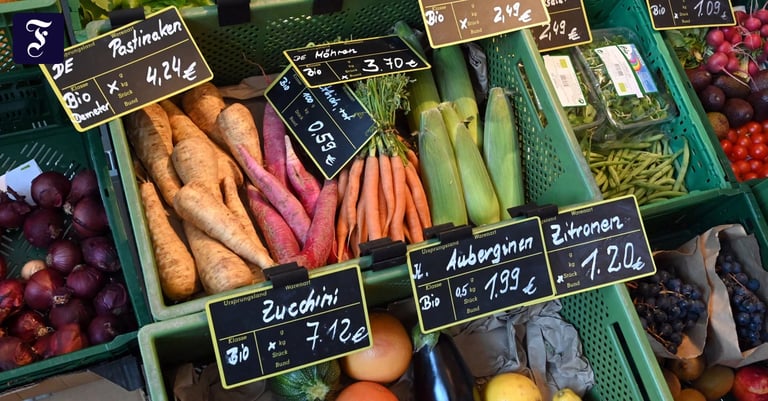

Germany’s organic food sales are surging in 2025, but farm production is lagging demand, raising the prospect of higher imports to bridge the gap.
Total organic revenue rose 5.7% in 2024 to a record 17 billion euros, continuing a recovery after a 2022 downturn.
Growth in 2025 is driven by private-label organic products and robust demand across supermarkets, drugstores, and natural-food retailers.
Consumer advocates urge the government to create a national price-monitoring office to track costs along the farm-to-shelf chain and uncover unfair pricing.
Price escalation in the broader food sector underscores the call for consumer protection and transparent pricing, ahead of the 2026 value-added tax relief for meals that may favor fast-food chains over consumers.
Other farmers face price and yield fluctuations: apples up 25% in harvest but with lower prices, while strawberries and asparagus hit multi-year lows amid ongoing grain volatility.
Production costs for fruits and vegetables outpace prices, threatening farm viability; 2025 apple harvest rose 25% but price levels fell, with strawberry and asparagus output declining.
Meat demand remains mostly stable with mixed trends: pork profitability pressured, poultry consumption steady at about 20.9 kg per person, beef production down with higher imports, and dairy markets showing price fluctuations amid ample milk and a butter price drop.
Domestic pork consumption stays around 27.9 kg per capita amid structural shifts toward larger, fewer farms; beef consumption near 9 kg per person while imports rise and poultry use grows.
Organic farming carries higher input costs and constraints like bans on synthetic fertilizers and pesticides, contributing to price volatility for producers.
Across the food sector, roughly 45% of consumers report restricting purchases due to price pressures, up from the prior year.
The market rebound follows a 2022 inflation-driven dip, with high inflation and cautious spending easing into 2024 and beyond.
Summary based on 7 sources