Harvard Researchers Unveil Breakthrough Antiviral Mechanism Against Herpes, Tackling Drug Resistance
December 29, 2025

Complementary optical tweezers experiments demonstrate in real time how drug binding stalls helicase activity and halts DNA unwinding.
Key collaborators include Jonathan Abraham and Joseph Loparo, with work conducted at HMS and funding from NIH and others; affiliations touch on Quercus Molecular Design through Weller.
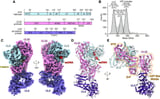
Focusing on HSV-1, the high-resolution cryo-EM data reveal how inhibitors bind the helicase-primase complex, effectively halting replication.
Understanding drug–viral component interactions explains how these medications inhibit viral replication.
Herpesviruses, including HSV and cytomegalovirus, affect millions and can cause severe complications in immunocompromised individuals, underscoring the importance of new therapies.
Overall, the research highlights how HPIs disrupt herpesvirus activity at the molecular level, providing critical insights into their mode of action.
Harvard Medical School researchers have unveiled how a new class of antivirals, helicase-primase inhibitors (HPIs), works against herpes simplex virus, shedding light on drug resistance and opening new treatment pathways for DNA viruses.
Real-time analysis with optical tweezers shows HPIs stopping the helicase motor during DNA unwinding, illustrating the functional impact of drug binding at the single-molecule level.
Cryo-electron microscopy visualizes near-atomic structures of the helicase-primase bound by inhibitors, pinpointing where the drugs lock the enzyme.
The team identifies the key mechanisms that drive the effectiveness of HPIs against herpesviruses, clarifying their mode of action.
HPIs offer an alternative to DNA polymerase–targeting drugs and could help combat drug-resistant HSV strains and potentially other DNA viruses.
The study blends structural biology with dynamic imaging to connect static structures to real-time enzymatic activity, laying groundwork for more effective HSV antivirals and potential treatments for other DNA viruses.
Summary based on 3 sources
Get a daily email with more Science stories
Sources
Medical Xpress • Dec 29, 2025
New antivirals are being tested for herpesviruses, and scientists now know how they work